
DO NOT FEED BY HAND! ZEBRAS ARE KNOWN TO BITE.
AGGIELAND SAFARI IS NOT LIABLE FOR INJURIES CAUSED BY FAILURE TO FOLLOW THE PARK RULES.
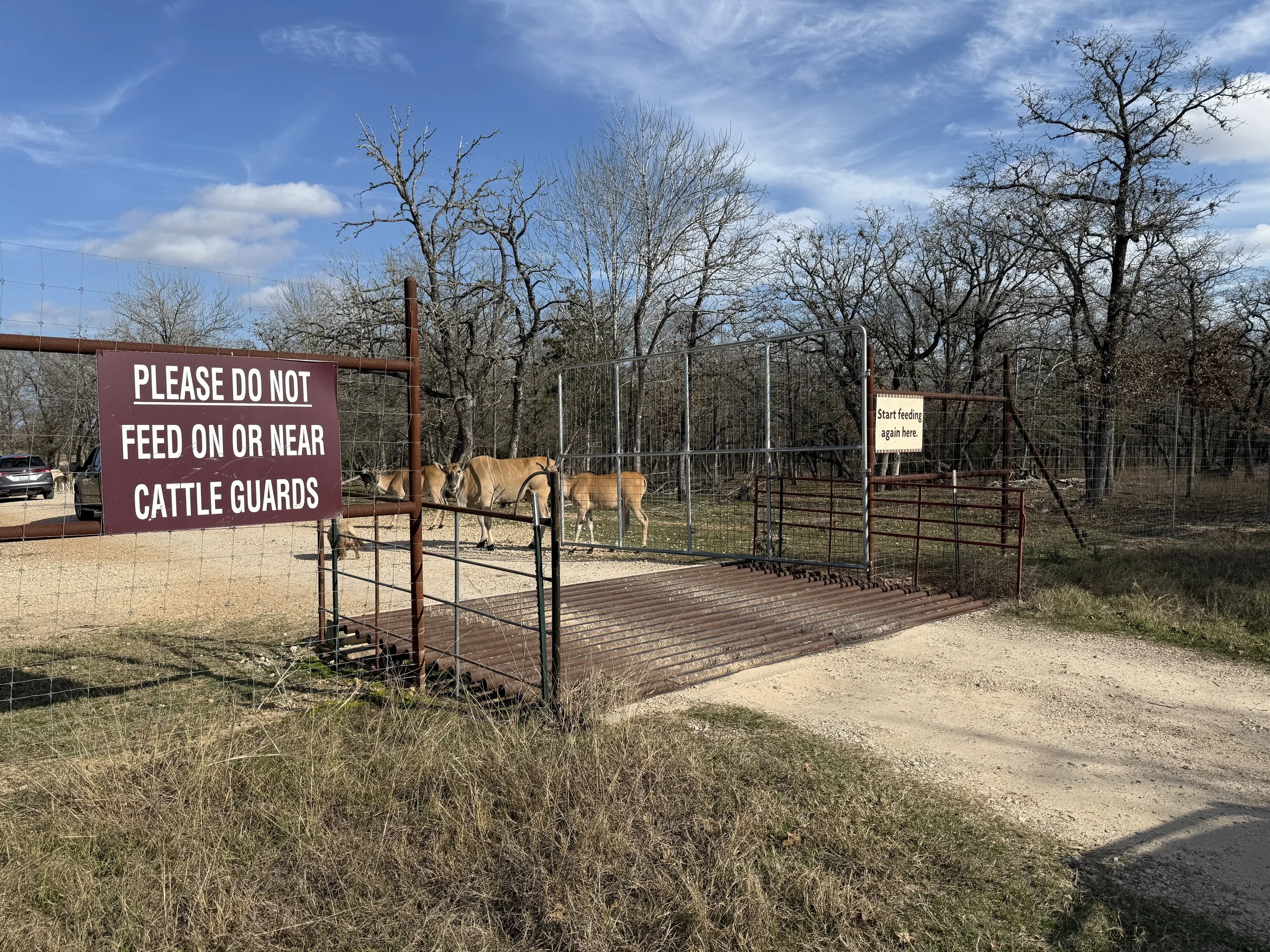
• DO NOT FEED ON OR NEAR CATTLE GUARDS
• DO NOT ATTEMPT TO TOUCH/PET THE ZEBRAS
• THROW FOOD ON THE GROUND AWAY FROM THE VEHICLE

Grant’s Zebra
Scientific Name: Equus quagga boehmi
IUCN Status: Near threatened
Native Origin: Zambia, Tanzania, Kenya, Ethiopia
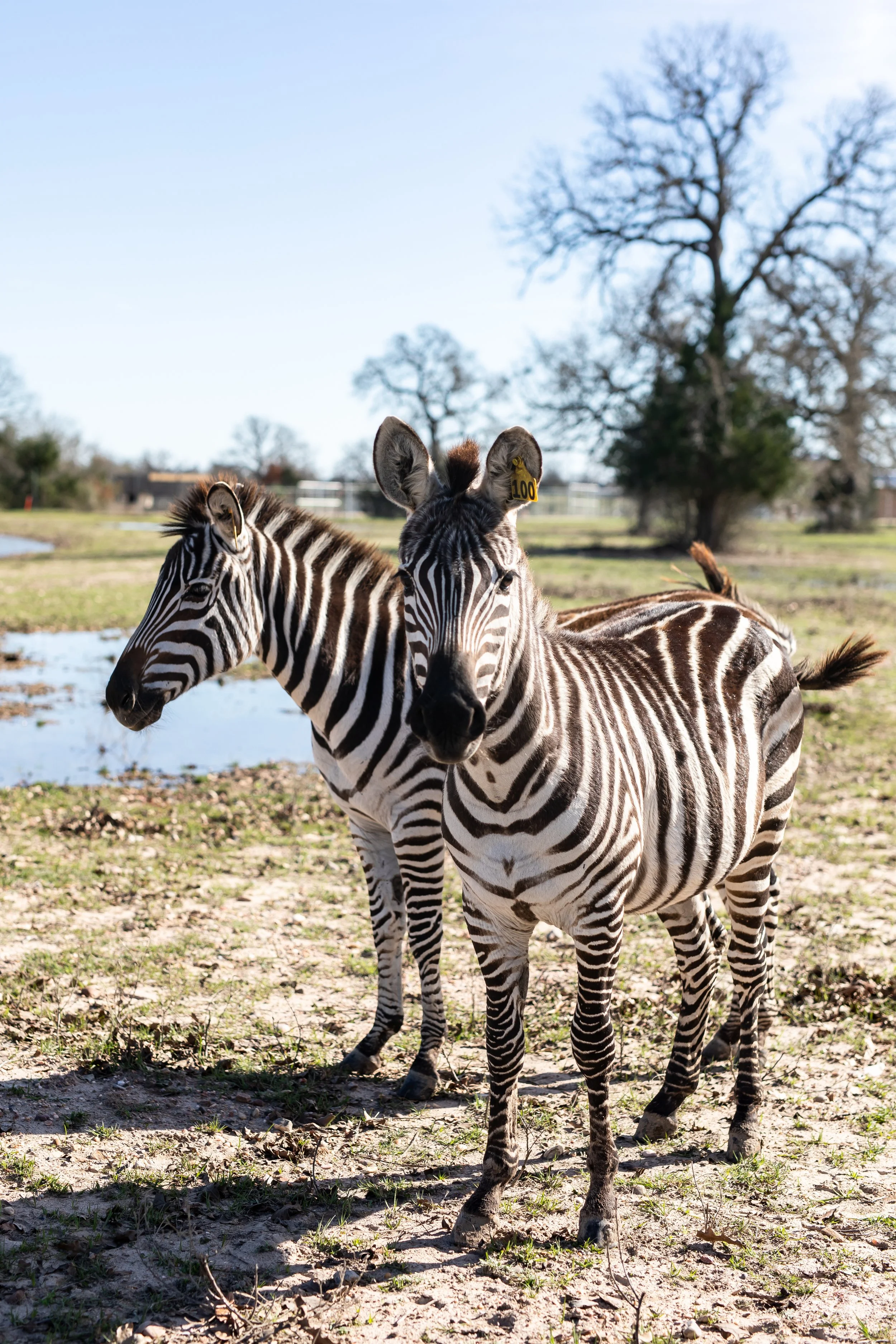
The smallest of the seven subspecies of plains zebra
Known for living in hierarchical social groups
Migratory animals that participate in Africa’s Great MigrationEach zebra’s stripe pattern is unique—much like human fingerprints
Top running speed: up to 40 miles per hour
Stripes help provide camouflage in tall grass and wooded areas and may also reduce biting from flies
Zebras have black skin beneath their coats, making them black animals with white stripes (this can be seen by the muzzle color and the hair just above the hooves)

Greylag Goose
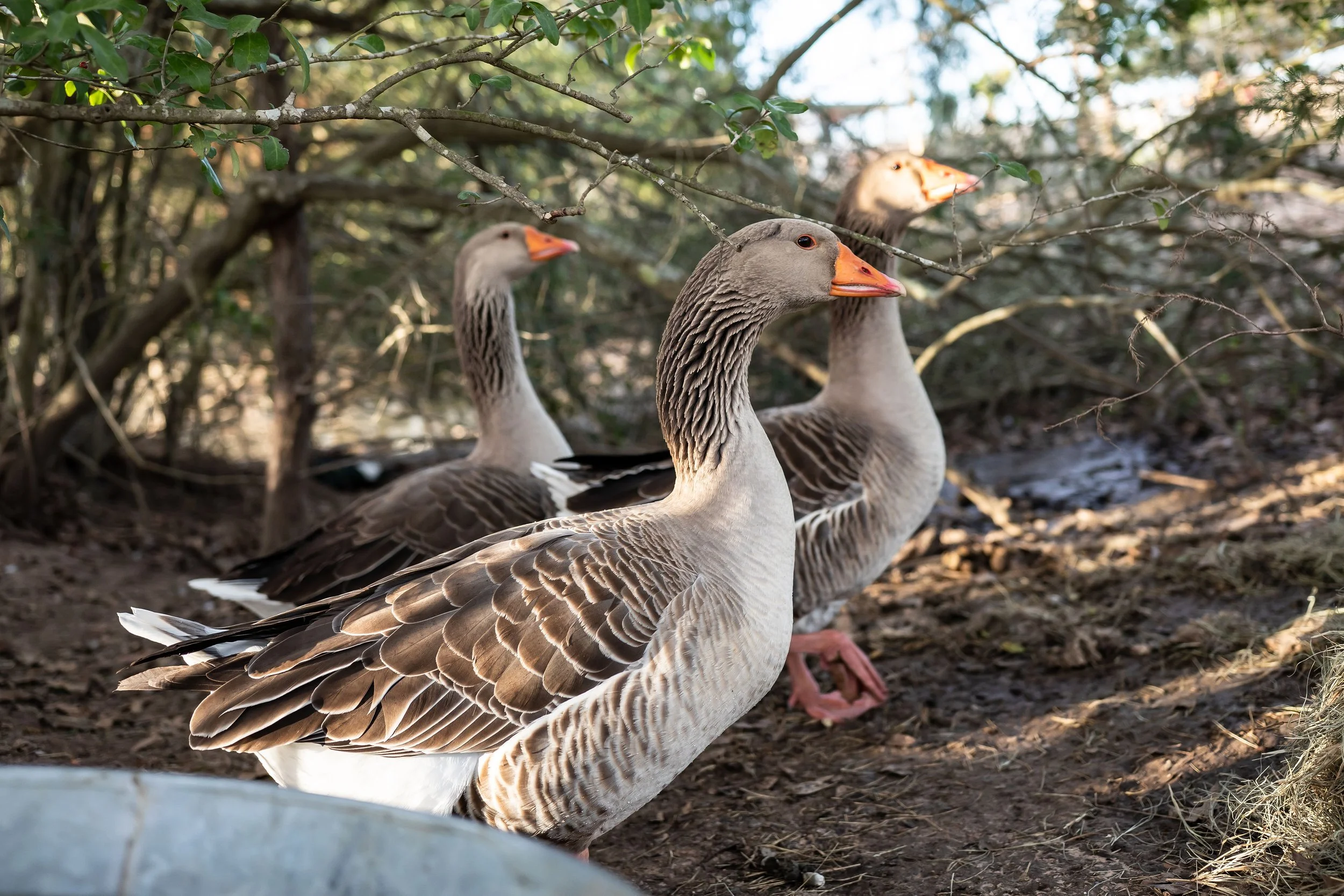
Scientific Name: Anser anser
IUCN Status: Least concern
Native Origin: Europe, Asia
Domestic geese are descended from greylag geese
Wingspan: up to 5 feet
Form strong bonds with their mates and are often seen as symbols of loyalty and family
Average lifespan: 10–15 years
Use a unique “triumph call” after successfully scaring away predators