


• DO NOT FEED ON OR NEAR CATTLE GUARDS
• DO NOT FEED FROM YOUR HANDS!!
• DO NOT ATTEMPT TO TOUCH/PET THE ANIMALS
• THROW FOOD ON THE GROUND AWAY FROM THE VEHICLE
• STAY ON THE MAIN ROADS
• 5MPH SPEED LIMIT
• IF YOU WOULD LIKE TO STOP FOR EXTENDED PERIODS OF TIME, PULL TO THE RIGHT SIDE OF THE ROAD


American Bison
Scientific Name: Bison bison
IUCN Status: Near Threatened
Native Origin: North America
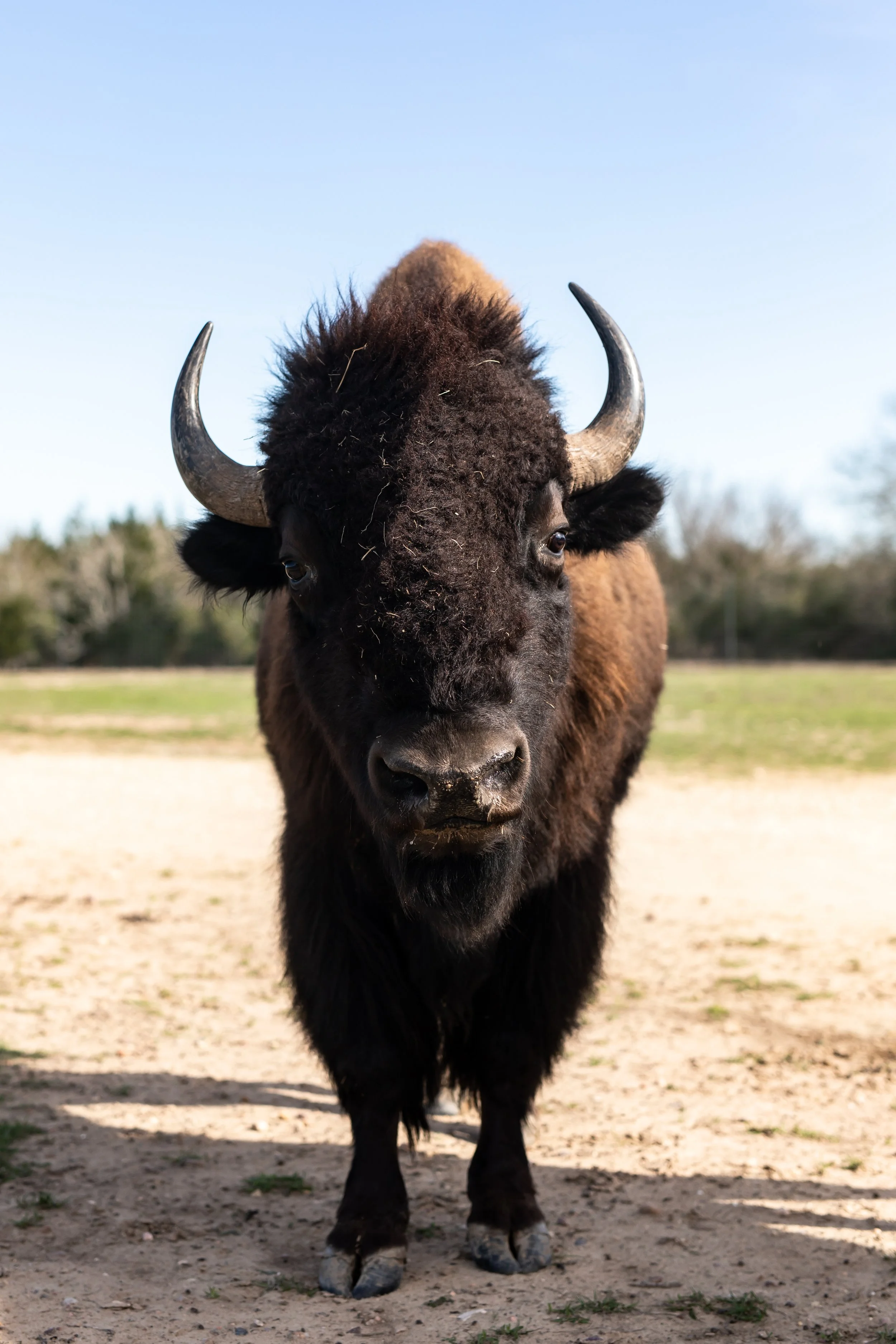
Once numbering over 60 million in the late 18th century, the American bison population was reduced to just 541 individuals by 1889 due to overhunting.
Their dense coat protects them from harsh weather on the plains. In winter, the coat becomes even thicker, allowing snow to rest on their backs without melting, as their warm skin is insulated from the cold.
The prominent hump on a bison’s back is composed entirely of powerful muscles that support its large head and aid in grazing through snow.
Bison are strong and agile, capable of running up to 35 miles per hour and jumping as high as 6 feet.
They are sometimes called “buffalo,” though true buffalo are a distinct species of bovine.

BLACKBUCK
Scientific Name: Antilope cervicapra
IUCN Status: Near threatened
Native Origin: Asia (India & Pakistan)
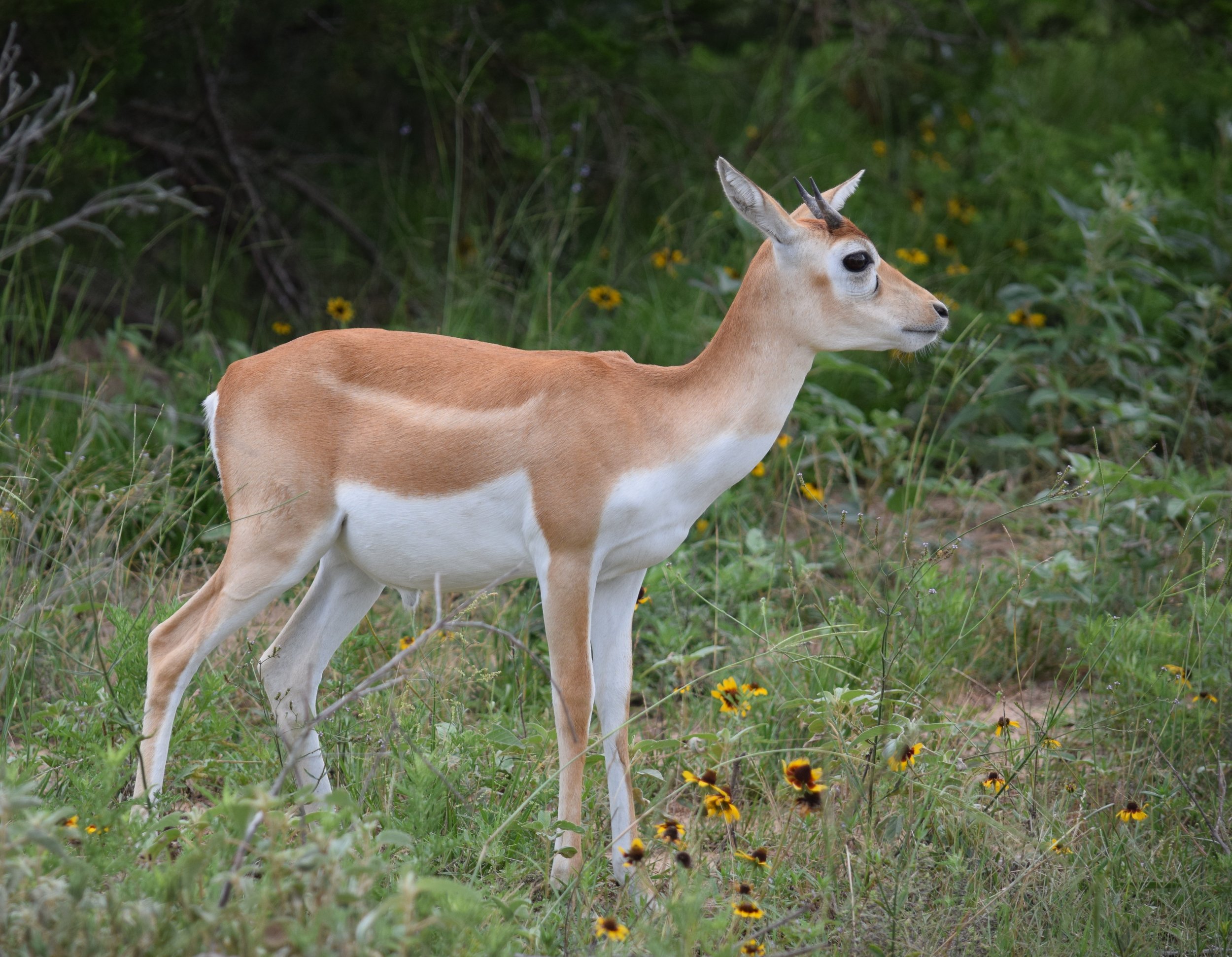
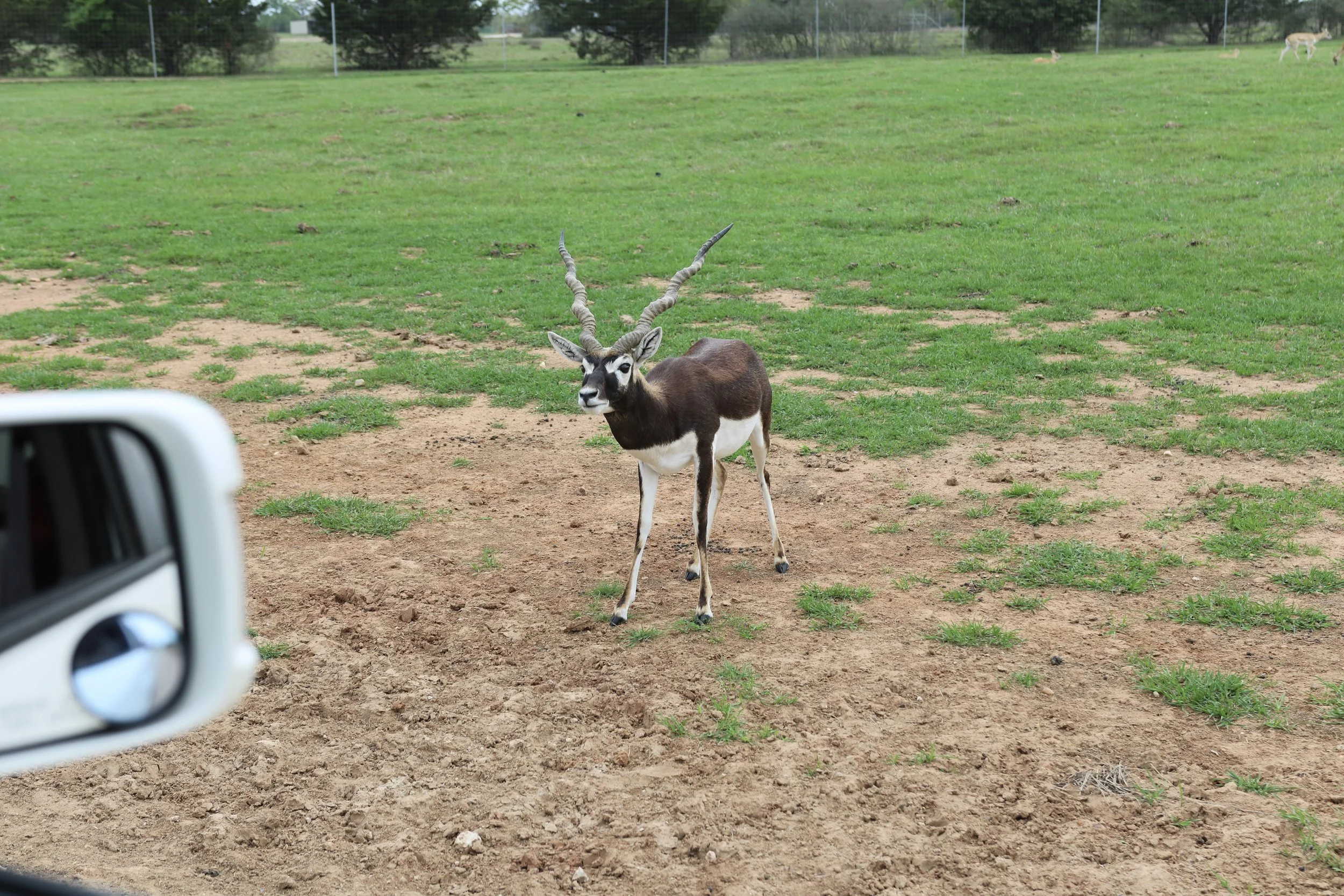
Blackbuck are social animals that live in herds. They have glands in their hooves that leave scent tracks as they move. This helps separated animals locate their herds.
Also known as the lesser antelope.
Mature males develop a striking black coat, while females and adolescent males are brown. If males are castrated, they will maintain the brown coloration of a female, but still grow horns!
Top running speed: approximately 50 miles per hour.
Herds typically range from 5 to 50 individuals.
Blesbok
Scientific Name: Damaliscus pygargus phillipsi
IUCN Status: Least concern
Native Origin: South Africa
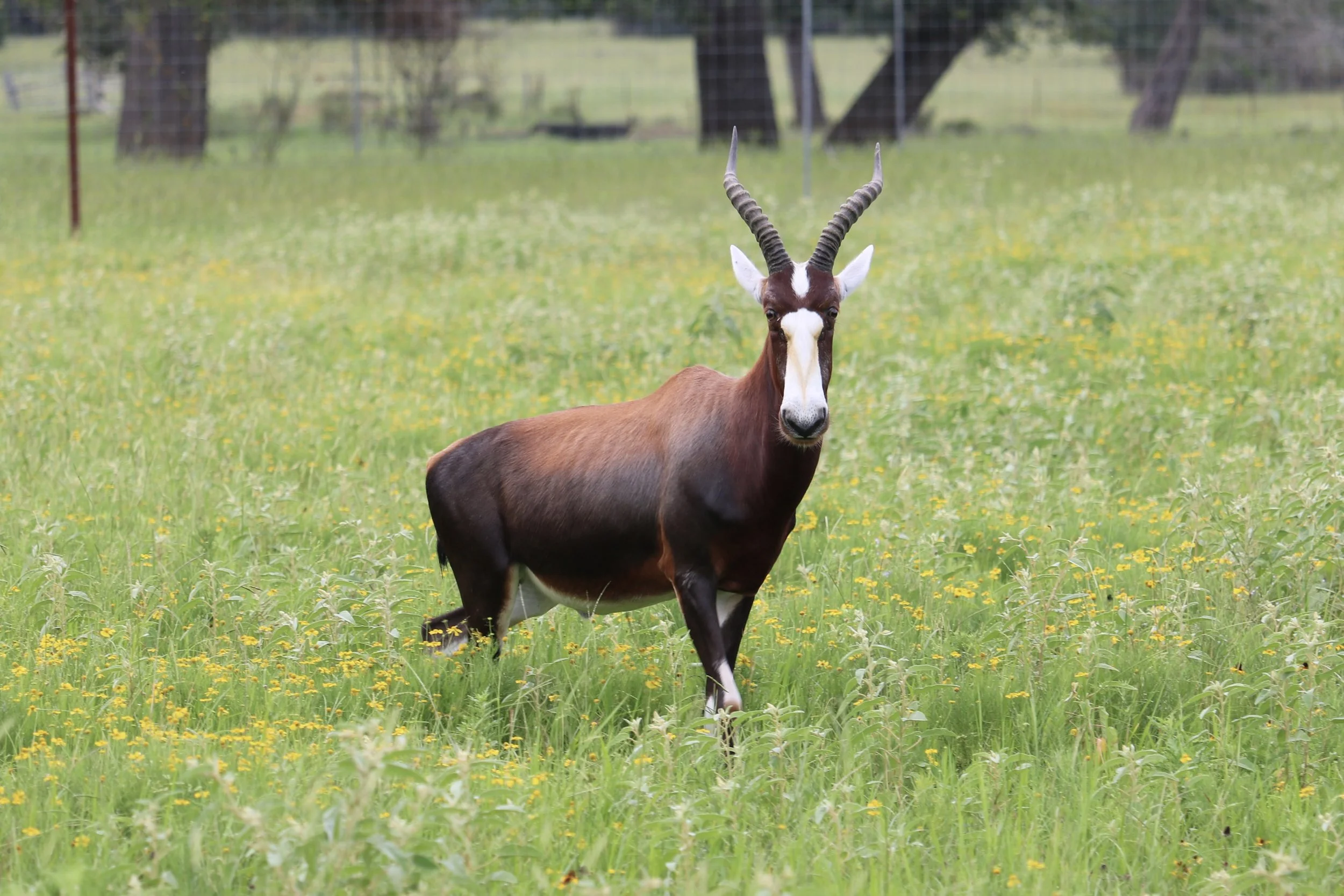
Blesbok have a distinctive white face and forehead, which inspired their name; bles is the Afrikaans word for “blaze,” similar to the marking seen on a horse’s forehead.
Although blesbok were once heavily hunted due to their large numbers, protective measures since the late 19th century have helped their populations recover.
Both males and females grow large, curved horns that resemble those of gazelles.
Blesbok can live up to 17 years in the wild.
They are fast and agile, capable of reaching speeds of up to 45 miles per hour.
ELK
Scientific Name: Cervus canadensis
IUCN Status: Least concern
Native Origin: North America, Europe
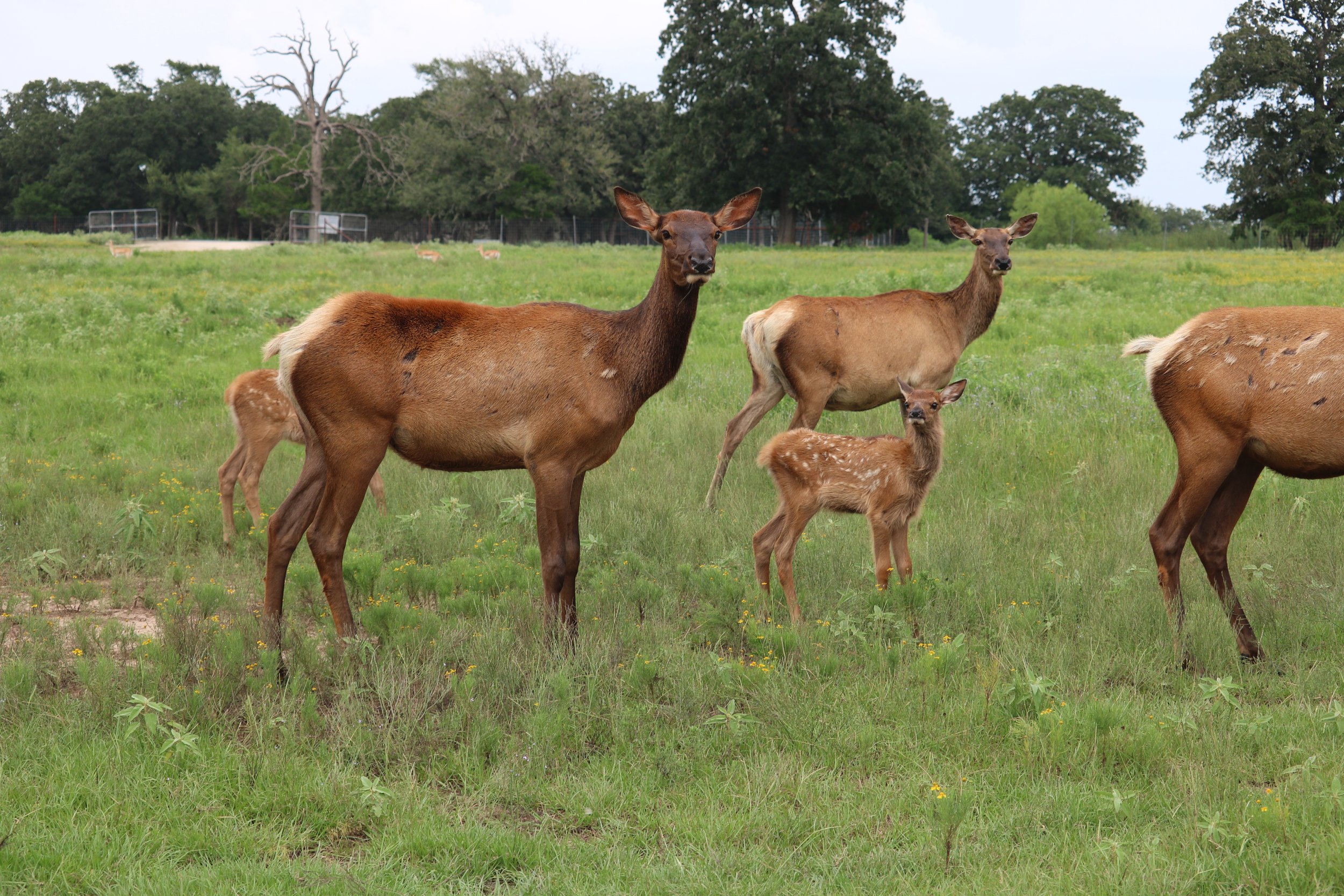
Elk are one of the largest species within the deer family.
The name “elk” can be confusing because in North America it refers to Cervus canadensis, while in British English the term “elk” is often used for Alces alces, which North Americans call the moose.
An elk’s winter coat consists of long, water-resistant guard hairs that cover a thick, woolly underfur, helping them stay warm in cold climates.
Elk are highly social animals and often gather in large summer herds that can include up to 400 individuals.
Elk antlers are made of bone and can grow rapidly, sometimes at rates of up to 2.5 centimeters (1 inch) per day during the growing season.

EMU
Scientific Name: Dromaius novaehollandiae
IUCN Status: Least concern
Native Origin: Australia
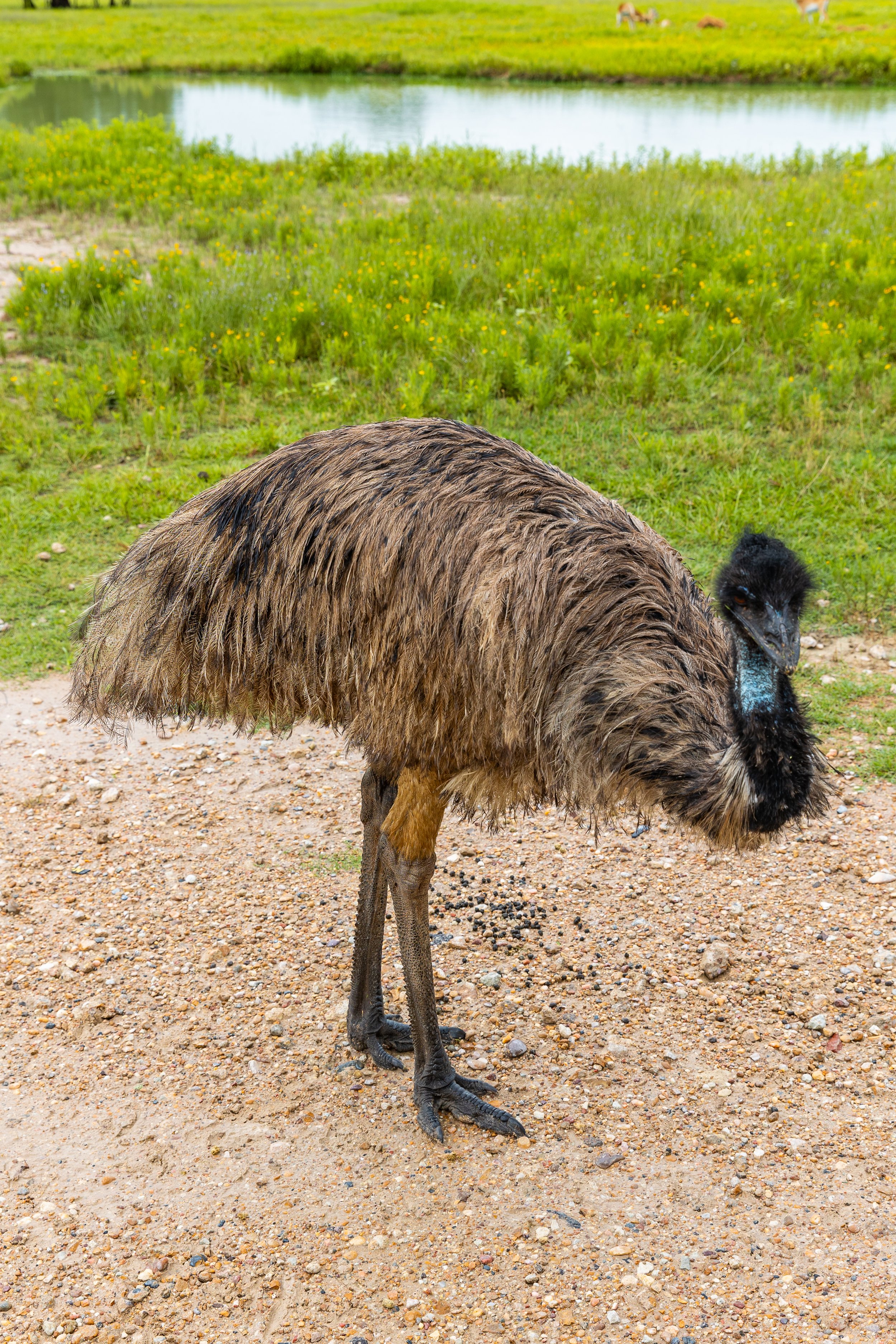
The emu is the second-largest living bird by height, surpassed only by the ostrich.
Emus can reach top running speeds of up to about 30 miles per hour.
When walking, an emu’s stride averages about 3.3 feet, but at a full gallop, a single stride can extend up to 9 feet.
Emus have two sets of eyelids: one for blinking and another specialized eyelid that protects their eyes from dust and debris.
Emus swallow pebbles and small stones, which help grind food in the gizzard and aid in digestion.

Miniature Donkey
Scientific Name: Equus africanus asinus
IUCN Status: Not Evaluated
Native Origin: Mediterranean Islands
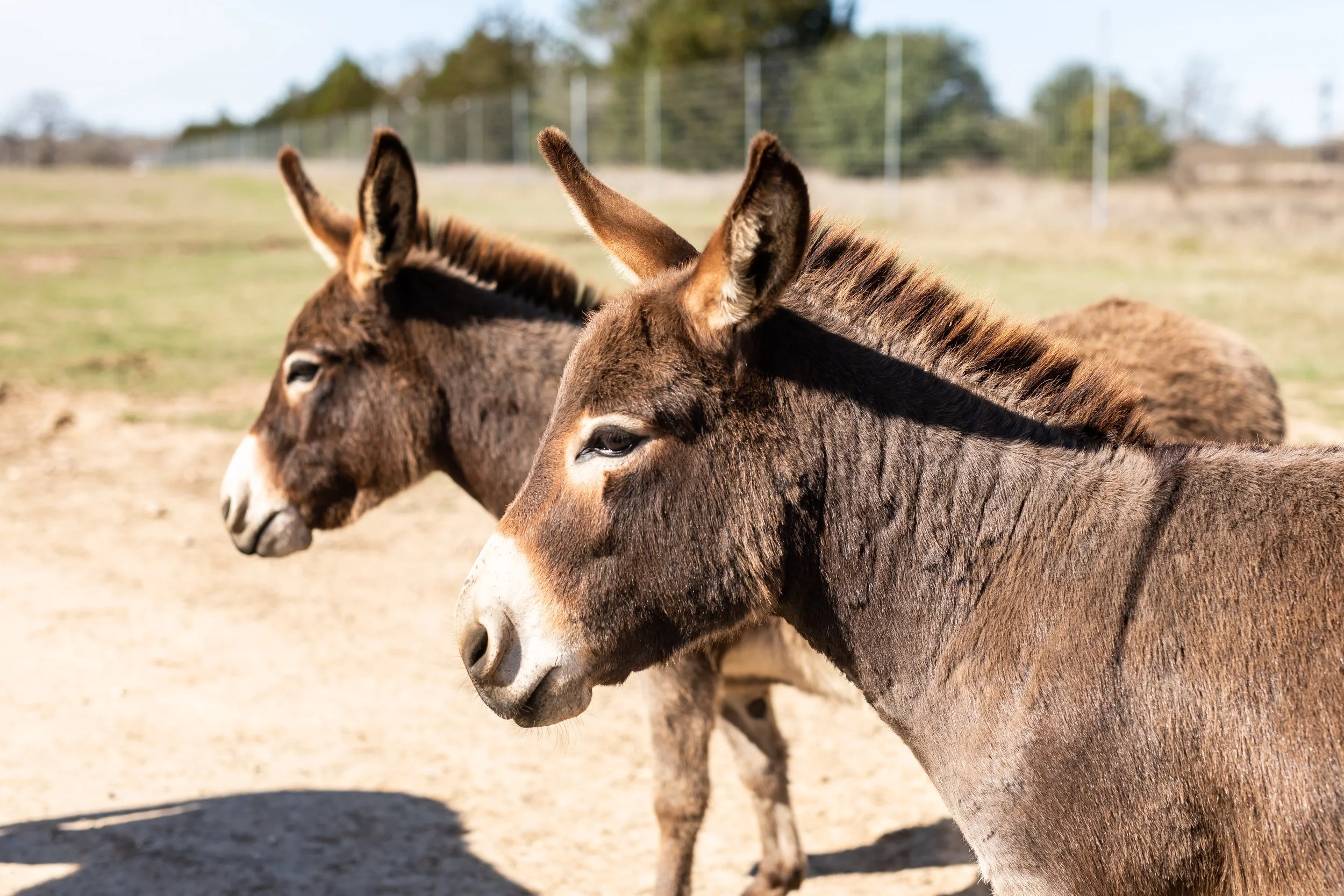
Donkeys were domesticated in Africa approximately 5,000 to 6,000 years ago and have been used primarily as working animals throughout history.
There are an estimated 40 million donkeys worldwide.
Donkeys are highly social animals and readily form bonds with other donkeys as well as with livestock such as horses, cattle, goats, sheep, and llamas.
Donkeys enjoy rolling on the ground, a behavior that helps with comfort, grooming, and coat care.
Donkeys are known for their calm and reassuring presence and are often used as companion animals, including for weaned foals.
Miniature zebu
Scientific Name: Bos taurus indicus
IUCN Status: Least concern
Native Origin: Indian sub-continent
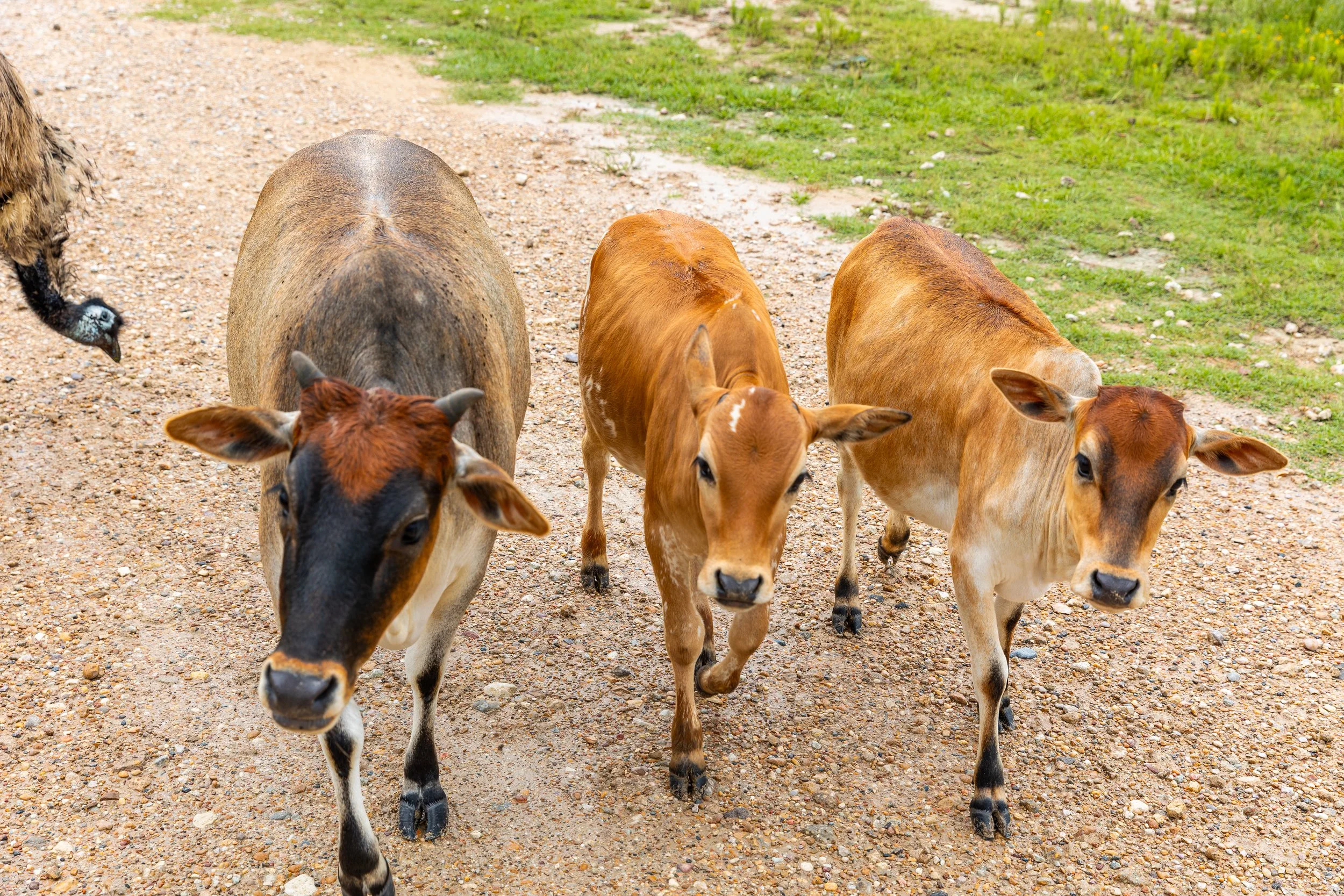
Miniature zebu are characterized by a fatty hump on their shoulders, a large dewlap, and sometimes drooping ears.
In 1999, researchers at Texas A&M University successfully cloned a zebu.
They are the smallest breed of cattle in the world.
Zebu are also sometimes referred to as “humped cattle” due to the prominent hump on their shoulders.
Miniature zebu are domesticated animals commonly kept for companionship, small-scale farming, or educational purposes.
Ostrich
Scientific Name: Struthio camelus
IUCN Status: Least Concern
Native Origin: Africa
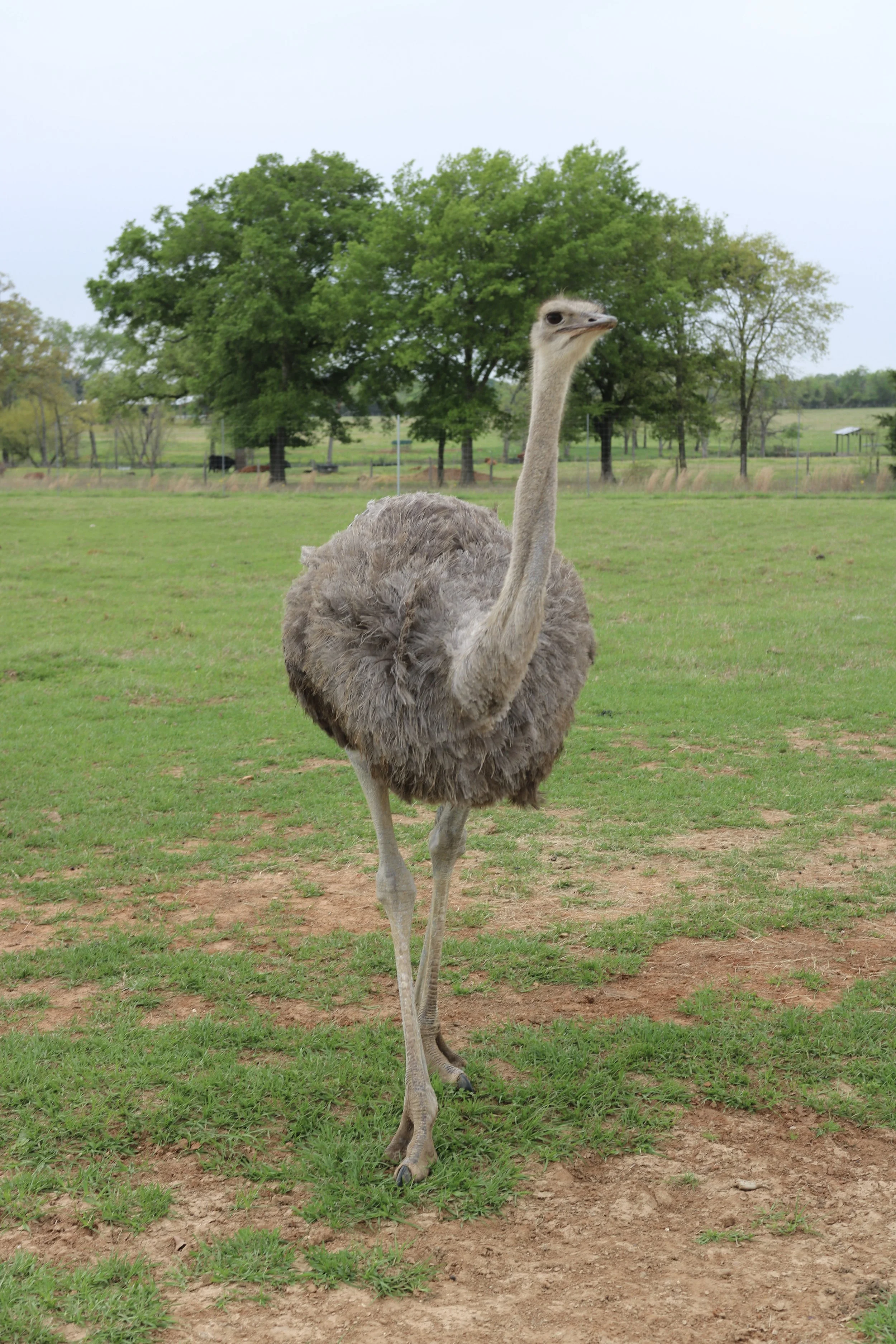
The ostrich is the largest living bird species.
Ostriches can sustain running speeds of around 34 miles per hour and reach short bursts of up to 40 miles per hour, making them the fastest-running birds on land.
They stand between 5.5 and 9 feet tall.
Ostriches are unique among birds in having only two toes on each foot, whereas most birds have three or four.
A single ostrich egg can weigh as much as 24 chicken eggs.
Pygmy Goat
Scientific Name: Capra hircus
IUCN Status: Not evaluated
Native Origin: Africa
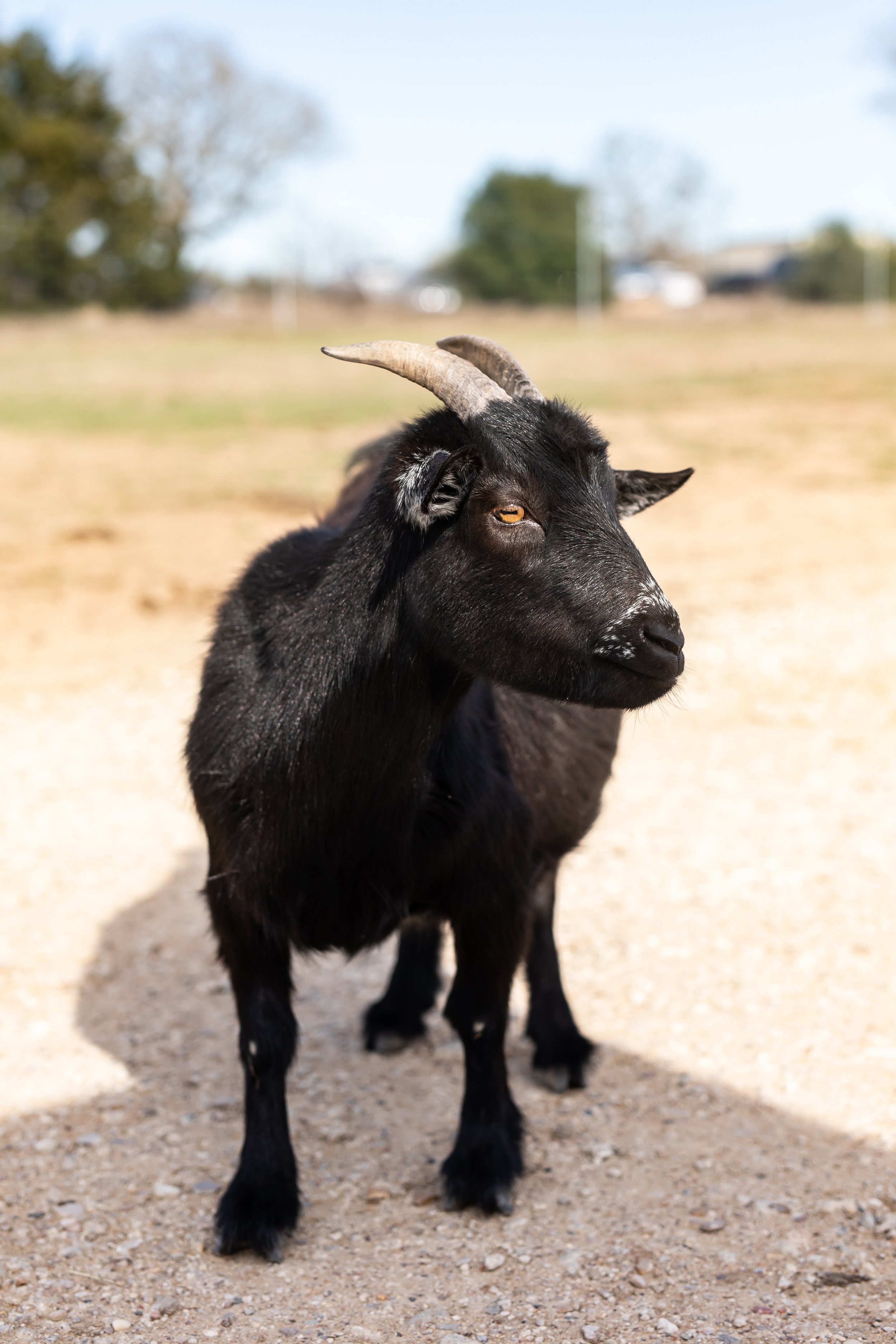
There are over 300 distinct breeds of goat worldwide.
Goats are one of the oldest domesticated species of animals.
Pygmy goats are agile and well known for their ability to climb and balance in precarious places, making them the only ruminants that regularly climb trees.
Goat milk is generally more digestible for humans than cow’s milk.
In the wild, herd sizes typically range from 5 to 20 individuals but can sometimes grow as large as 100.
Red Lechwe
Scientific Name: Kobus leche
IUCN Status: Near Threatened
Native Origin: Africa
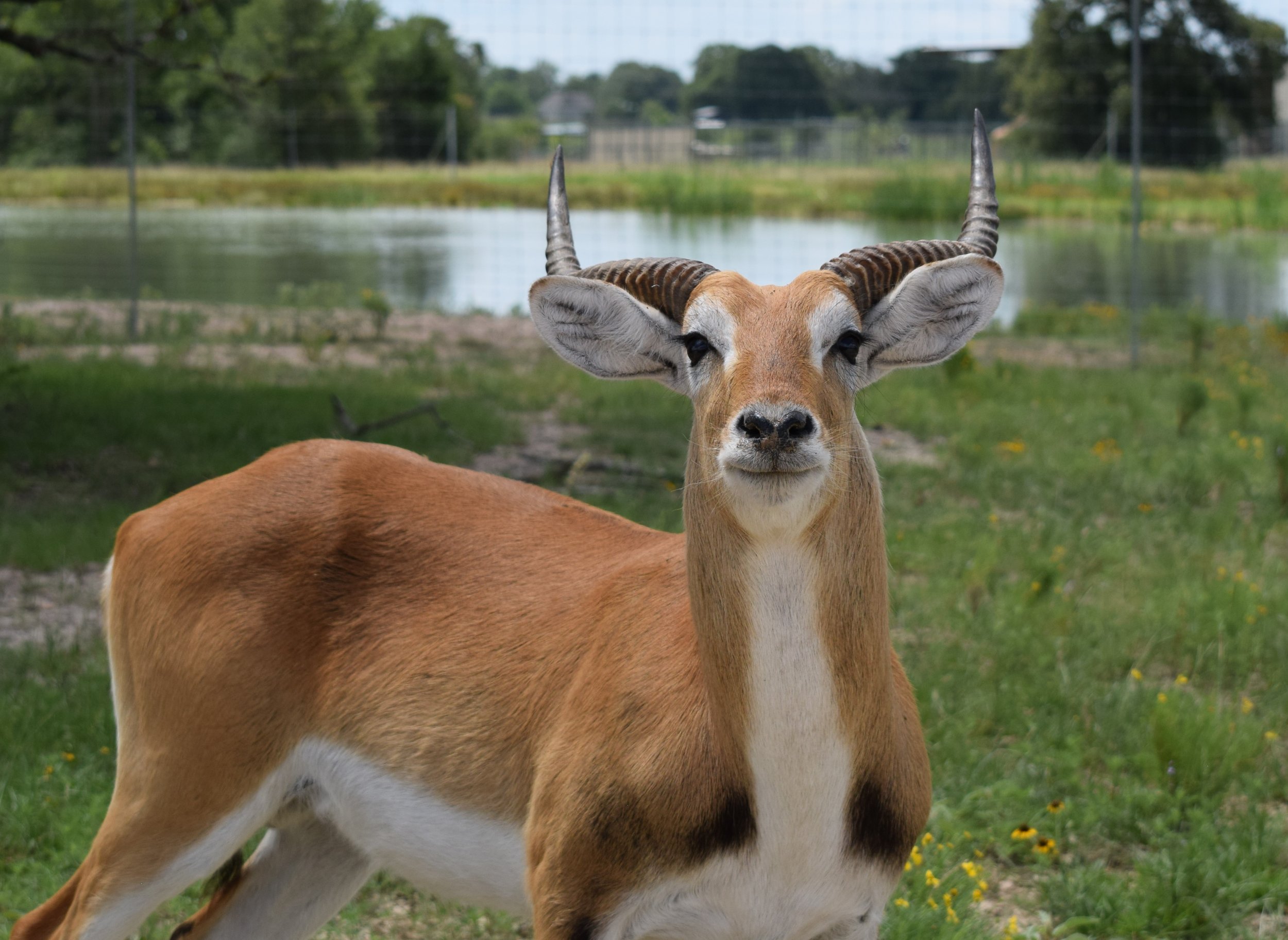
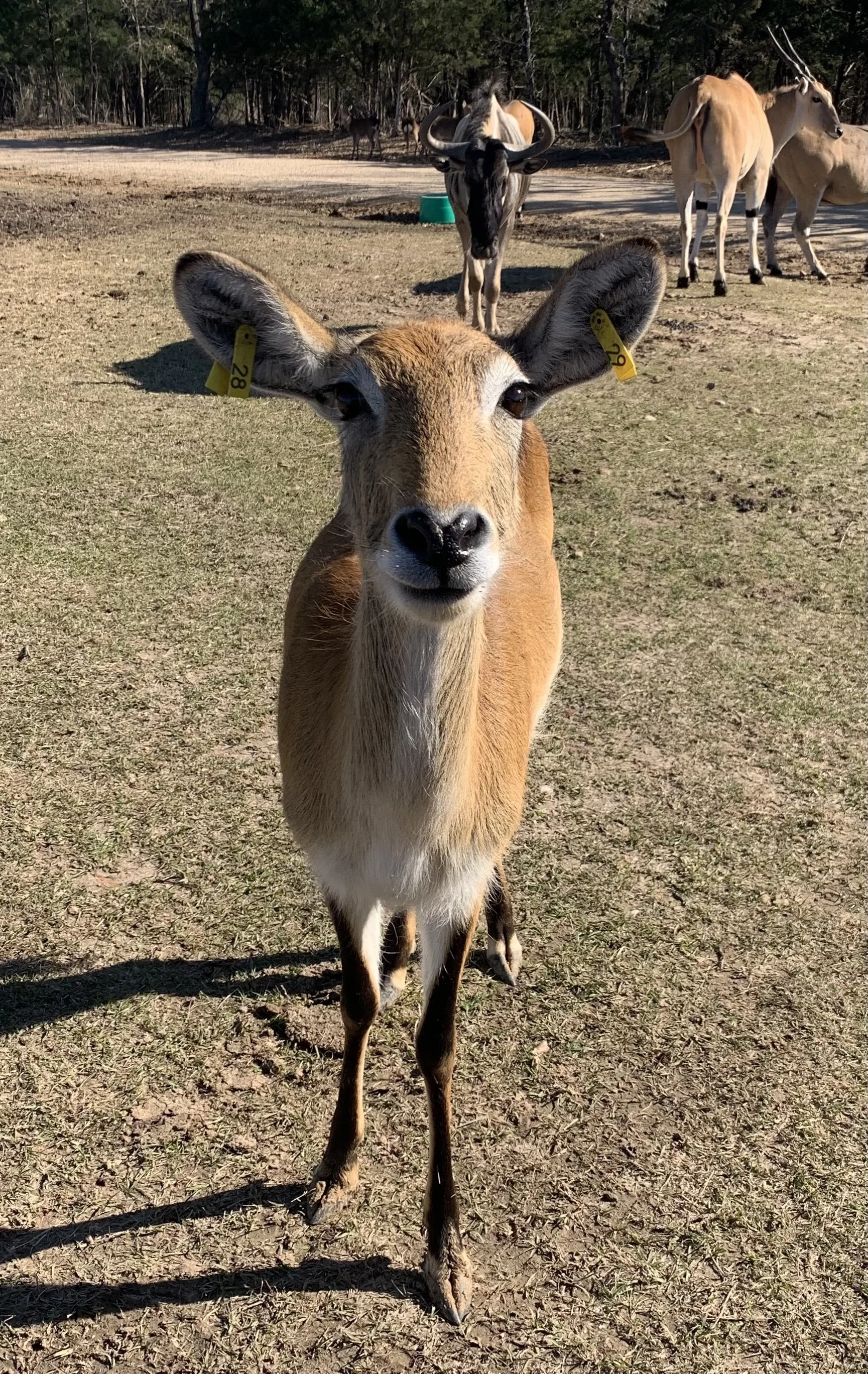
Red lechwe often use knee-deep water as protection from predators.
Their legs are coated with a water-repellent substance, allowing them to run quickly and efficiently through water.
One of their major predators is the cheetah, which they are known to outmaneuver and outrun in shallow water.
Red lechwe do not have scent glands; their oily coats have a distinctive odor that helps repel water.
Female red lechwe reach reproductive maturity at about 1.5 years of age, while males are ready to breed at around 5 years.
RHEA
Scientific Name: Rhea americana
IUCN Status: Near Threatened
Native Origin: South America
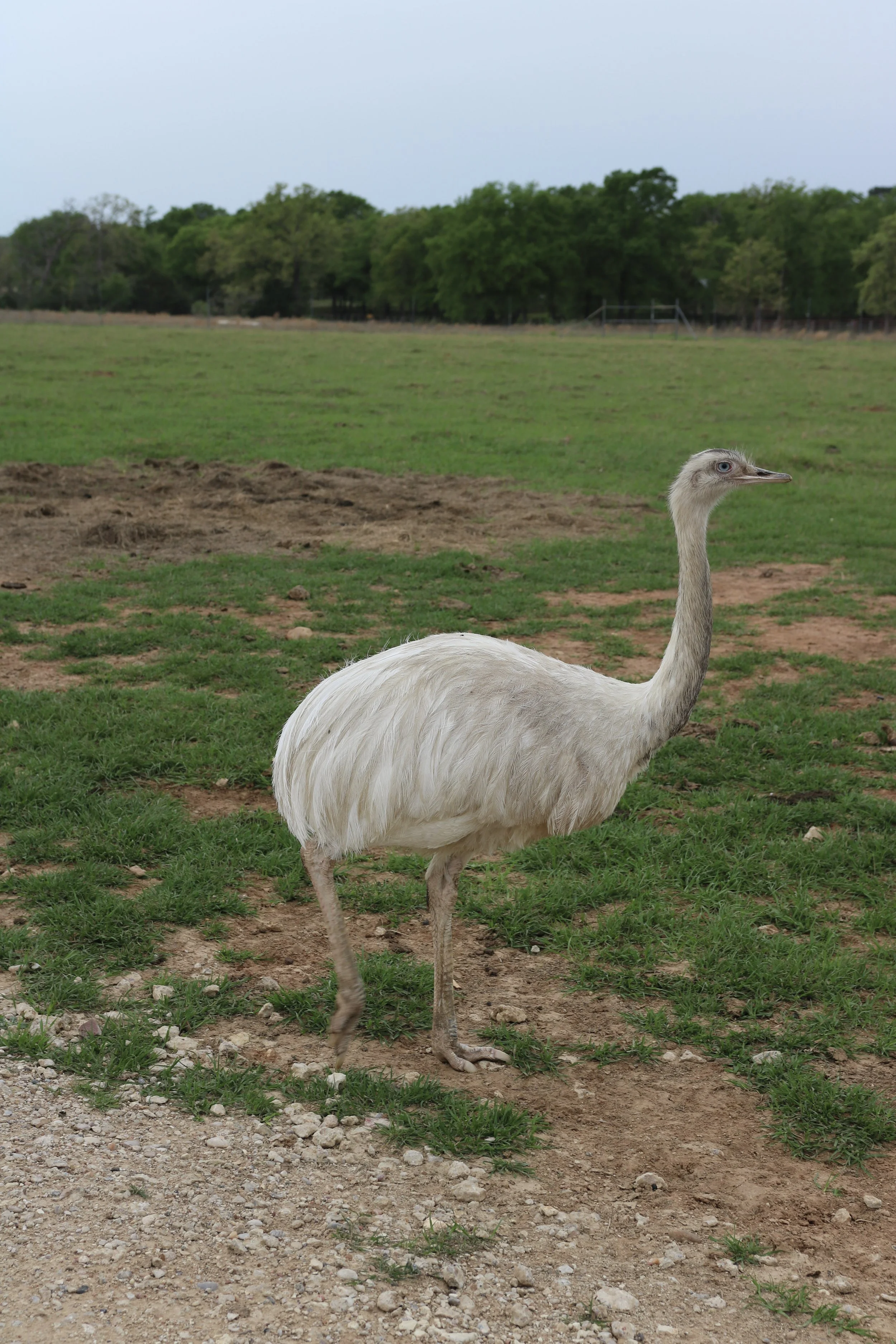
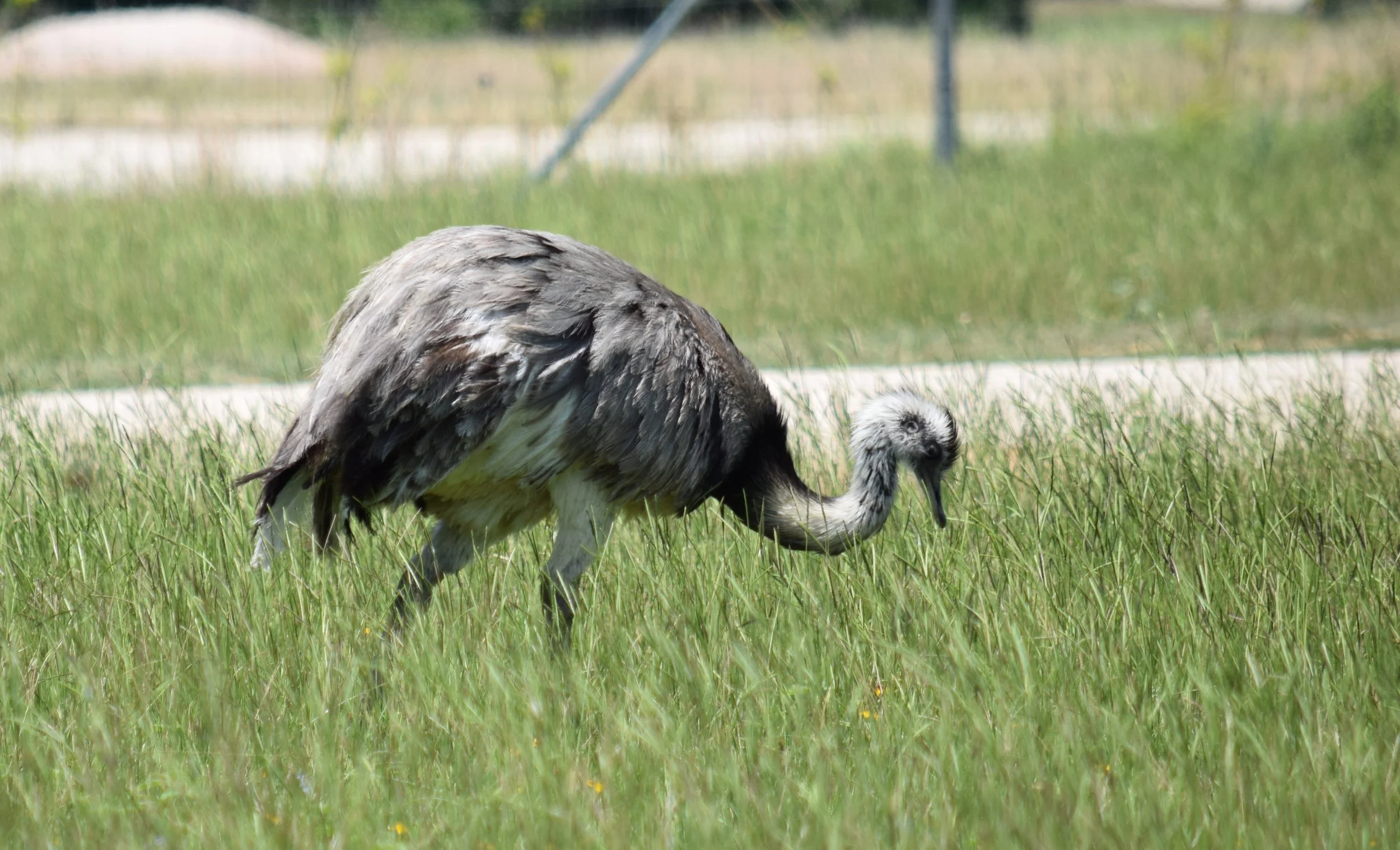
Rheas stand approximately 4 to 5 feet tall.
They are the largest birds native to South America.
Rheas are social birds that form flocks ranging from 10 to 100 individuals.
Their wings are relatively long and are used to help maintain balance during fast running and sharp turns, as well as during courtship displays.
Rhea plumage varies from gray to leucistic individuals, which have white feathers and blue eyes.