


• DO NOT FEED ON OR NEAR CATTLE GUARDS
• DO NOT FEED FROM YOUR HANDS!!
• DO NOT ATTEMPT TO TOUCH/PET THE ANIMALS
• THROW FOOD ON THE GROUND AWAY FROM THE VEHICLE
• STAY ON THE MAIN ROADS
• 5MPH SPEED LIMIT
• IF YOU WOULD LIKE TO STOP FOR EXTENDED PERIODS OF TIME, PULL TO THE RIGHT SIDE OF THE ROAD


BLACKBUCK
Scientific Name: Antilope cervicapra
IUCN Status: Near threatened
Native Origin: Asia (India & Pakistan)
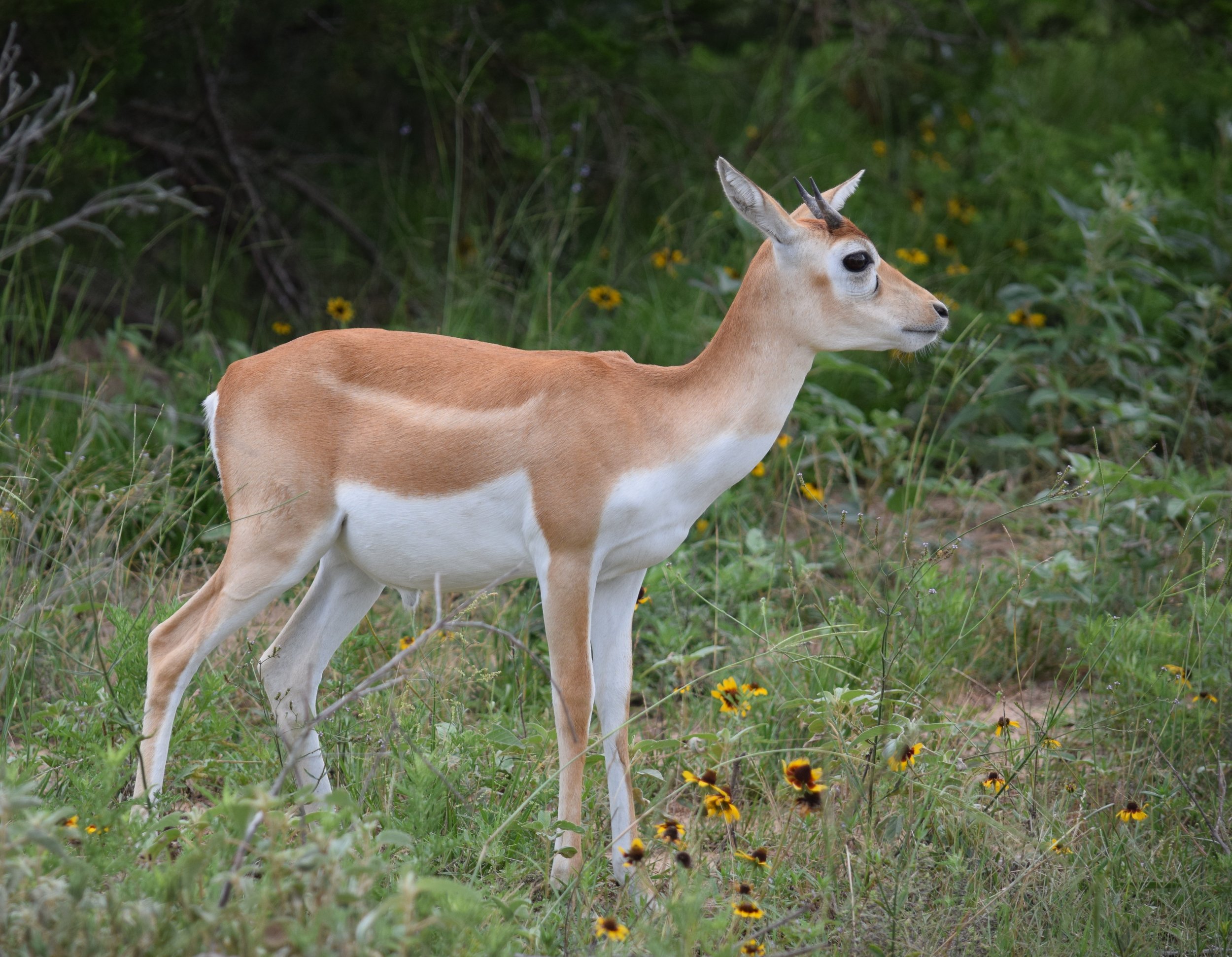
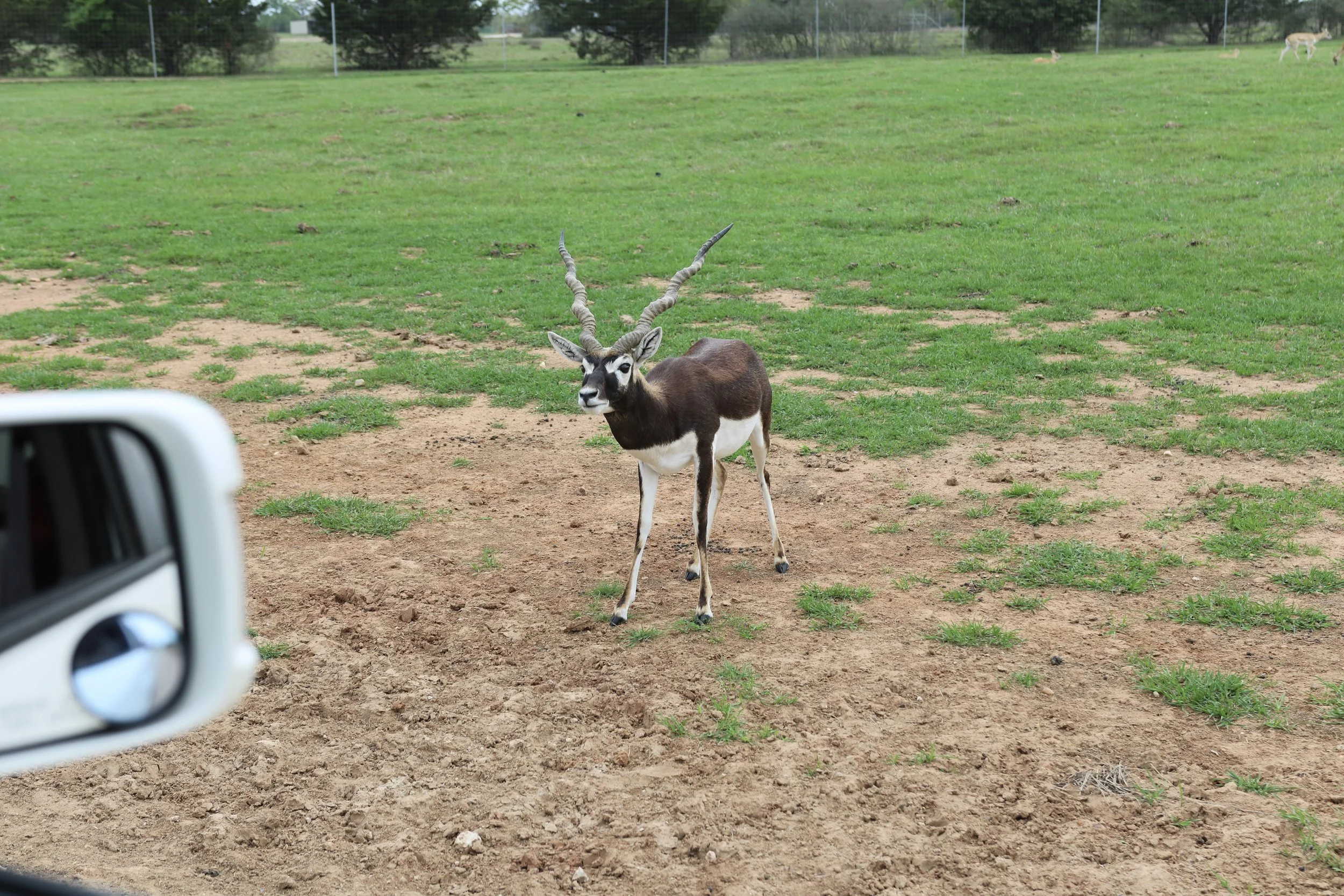
Blackbuck are social animals that live in herds. They have glands in their hooves that leave scent tracks as they move. This helps separated animals locate their herds.
Also known as the lesser antelope.
Mature males develop a striking black coat, while females and adolescent males are brown. If males are castrated, they will maintain the brown coloration of a female, but still grow horns!
Top running speed: approximately 50 miles per hour.
Herds typically range from 5 to 50 individuals.

EMU
Scientific Name: Dromaius novaehollandiae
IUCN Status: Least concern
Native Origin: Australia
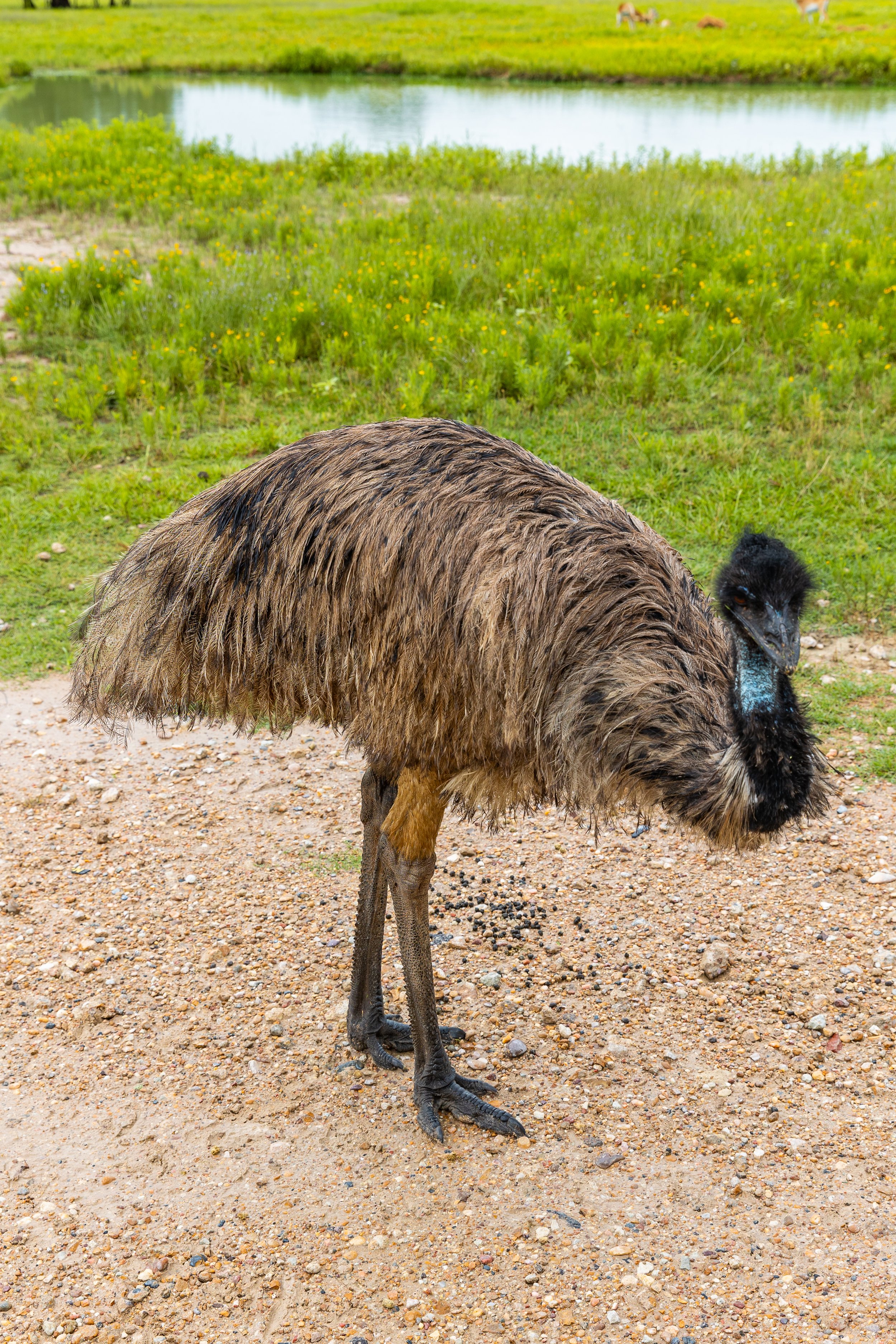
The emu is the second-largest living bird by height, surpassed only by the ostrich.
Emus can reach top running speeds of up to about 30 miles per hour.
When walking, an emu’s stride averages about 3.3 feet, but at a full gallop, a single stride can extend up to 9 feet.
Emus have two sets of eyelids: one for blinking and another specialized eyelid that protects their eyes from dust and debris.
Emus swallow pebbles and small stones, which help grind food in the gizzard and aid in digestion.
Kunekune Pig
Scientific Name: Sus scrofa domesticus
IUCN Status: Least concern
Native Origin: New Zealand
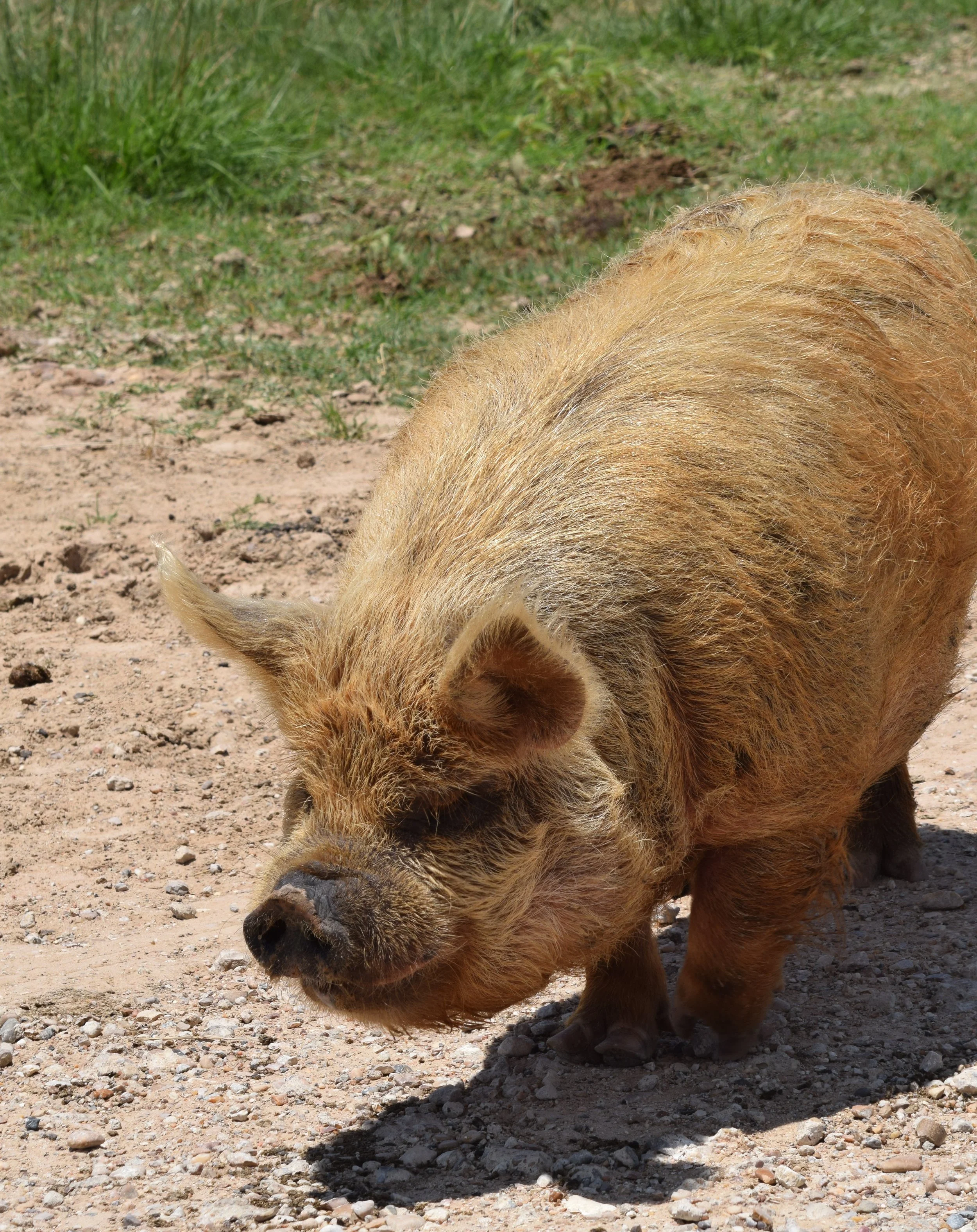
The Kunekune pig was once nearly extinct but has been successfully revived through dedicated conservation efforts.
It is one of the smallest domestic pig breeds.
Kunekune pigs come in a wide variety of colors, including black, brown, ginger, cream, and spotted patterns.
Many individuals have distinctive wattles, or tassels, hanging from their lower jaw—a rare feature among pig breeds.
They are hardy and disease-resistant, with relatively few hereditary health issues.
Llama
Scientific Name: Lama glama
IUCN Status: Not Evaluated
Native Origin: South America
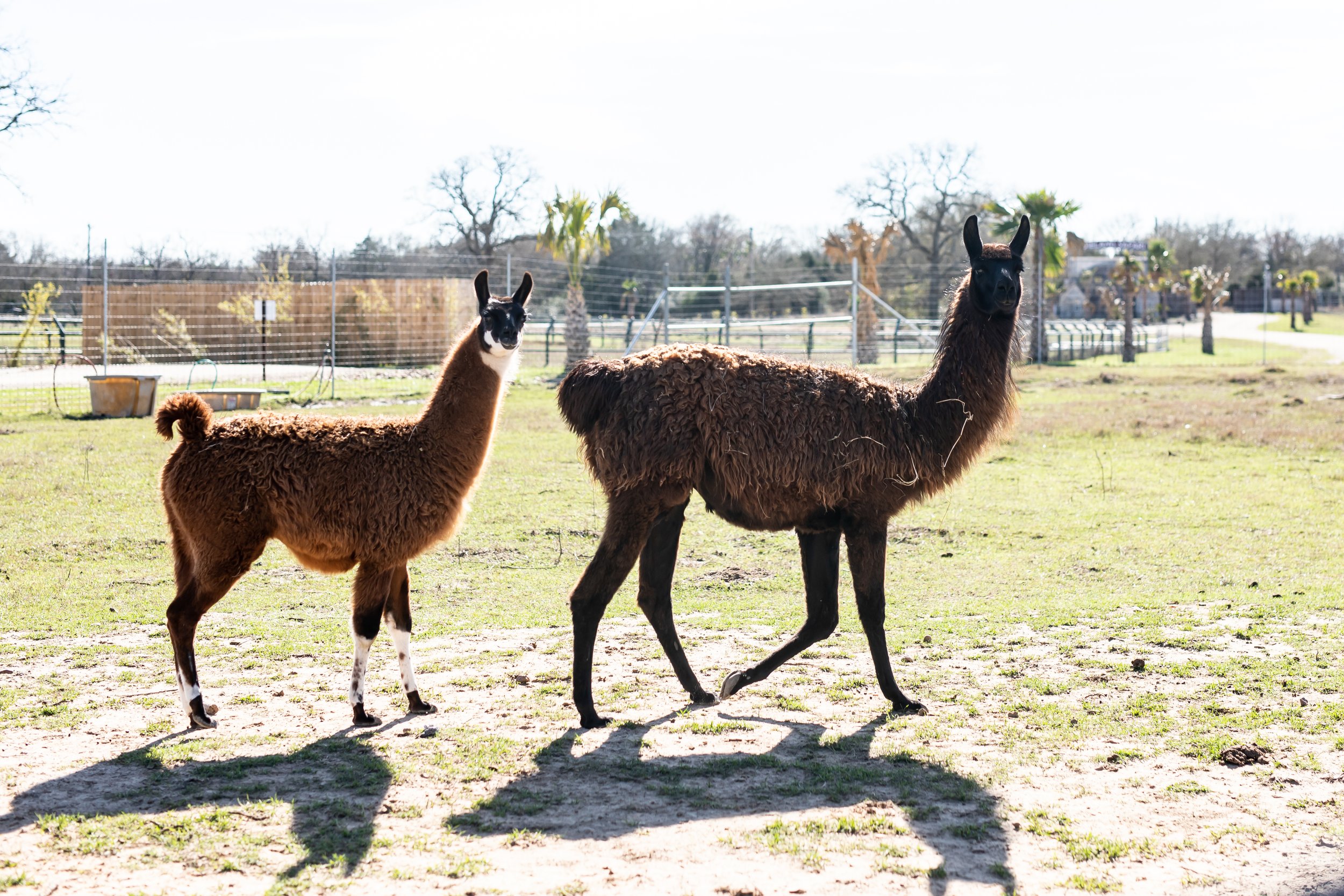
Llamas are closely related to camels.
They do spit, usually to settle disputes over food or to establish dominance. Females may spit at males to make them go away, but llamas rarely spit at humans unless provoked.
When two males decide to fight, they often scream at each other before physical confrontation.
Llamas were domesticated approximately 3,000 to 5,000 years ago.
Following domestication, there are no longer any truly wild llamas.
There are nearly 3 million llamas worldwide, with about 70% of the population found in Bolivia.
Miniature Donkey
Scientific Name: Equus africanus asinus
IUCN Status: Not Evaluated
Native Origin: Mediterranean Islands
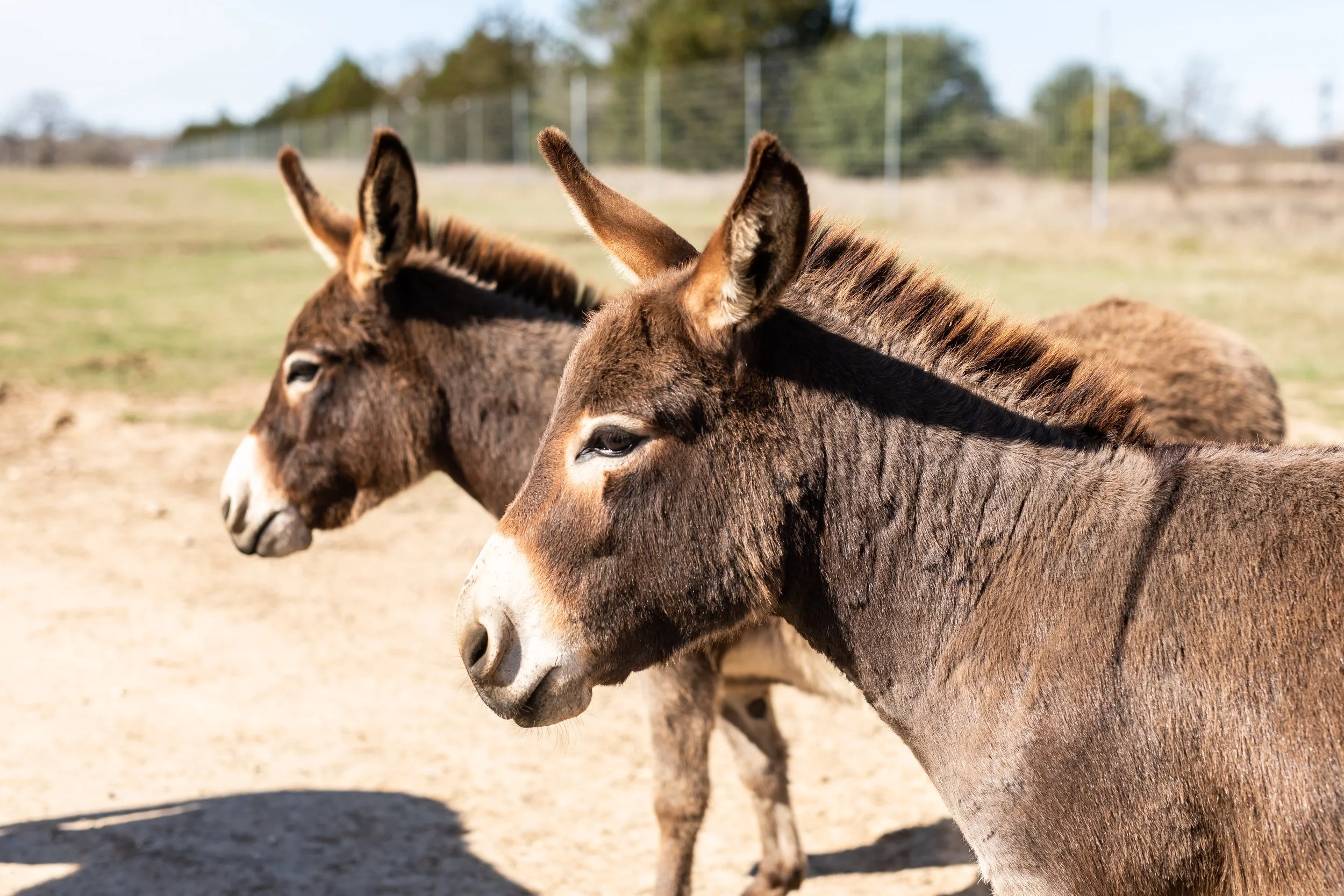
Donkeys were domesticated in Africa approximately 5,000 to 6,000 years ago and have been used primarily as working animals throughout history.
There are an estimated 40 million donkeys worldwide.
Donkeys are highly social animals and readily form bonds with other donkeys as well as with livestock such as horses, cattle, goats, sheep, and llamas.
Donkeys enjoy rolling on the ground, a behavior that helps with comfort, grooming, and coat care.
Donkeys are known for their calm and reassuring presence and are often used as companion animals, including for weaned foals.
POT-BELLIED PIG
Scientific Name: Sus domesticus
IUCN Status: Not evaluated
Native Origin: Domesticated Breed
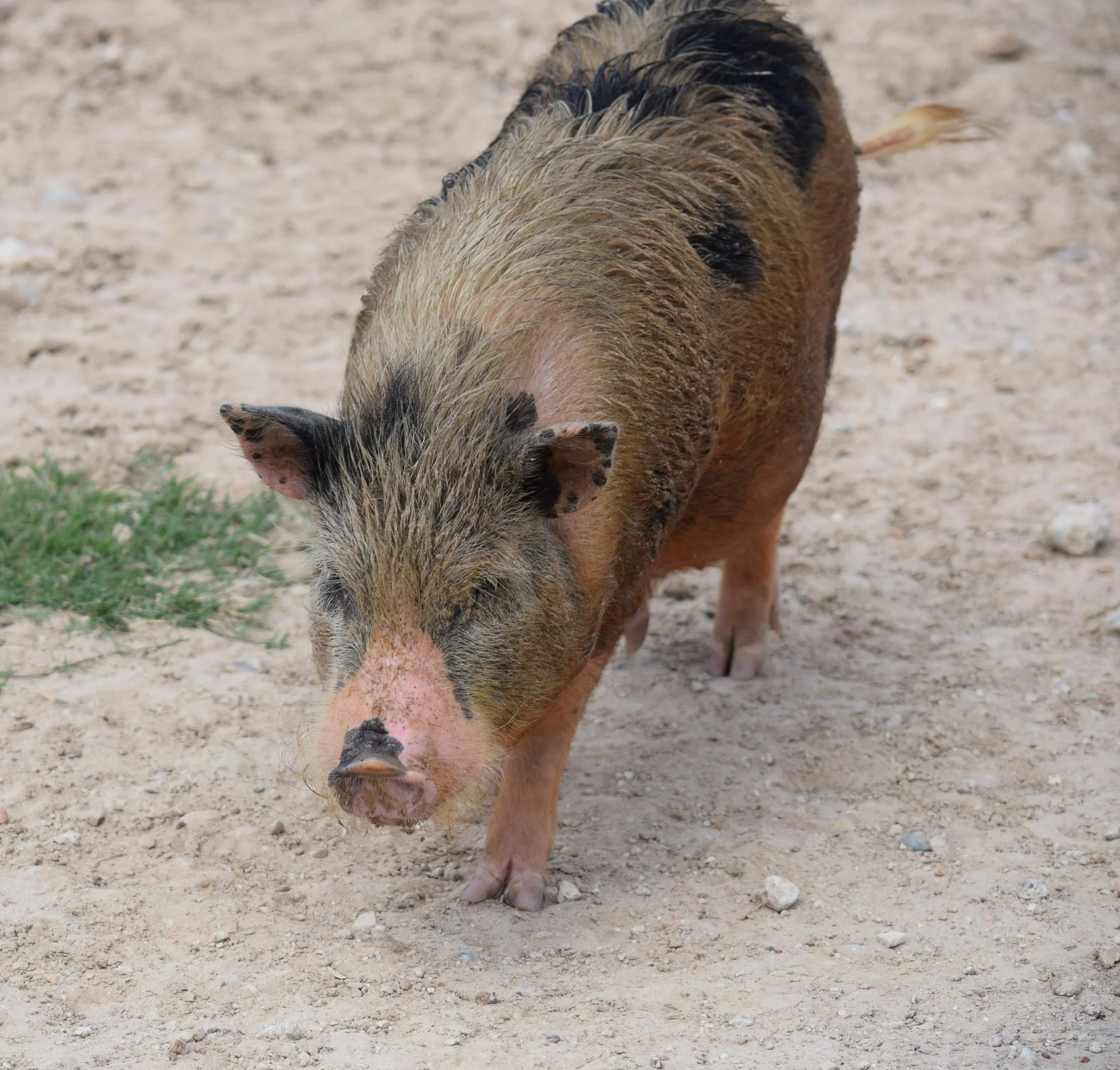
Pigs are highly intelligent animals and are often ranked among the most intelligent mammals, alongside animals such as chimpanzees, dolphins, and elephants.
Wallowing in mud helps pigs cool down, remove parasites, and protect their skin; mud also provides natural protection against ultraviolet (UV) rays.
Pigs were domesticated approximately 9,000–10,000 years ago, with domestication occurring independently in regions including eastern Anatolia and central China.
Pigs generally dislike being lifted off the ground and may resist when picked up, as they feel vulnerable when their feet are not supported.

RHEA
Scientific Name: Rhea americana
IUCN Status: Near Threatened
Native Origin: South America
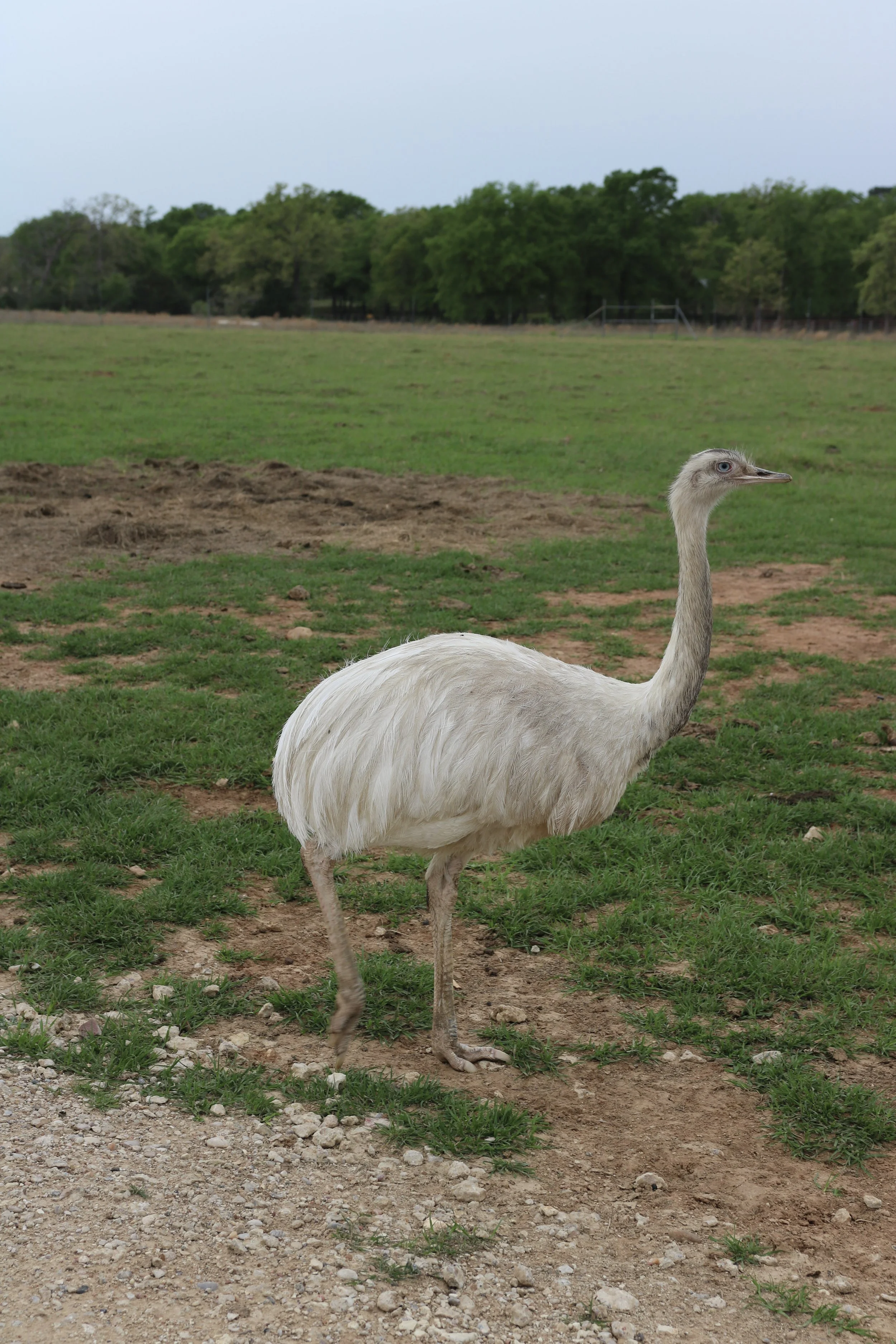
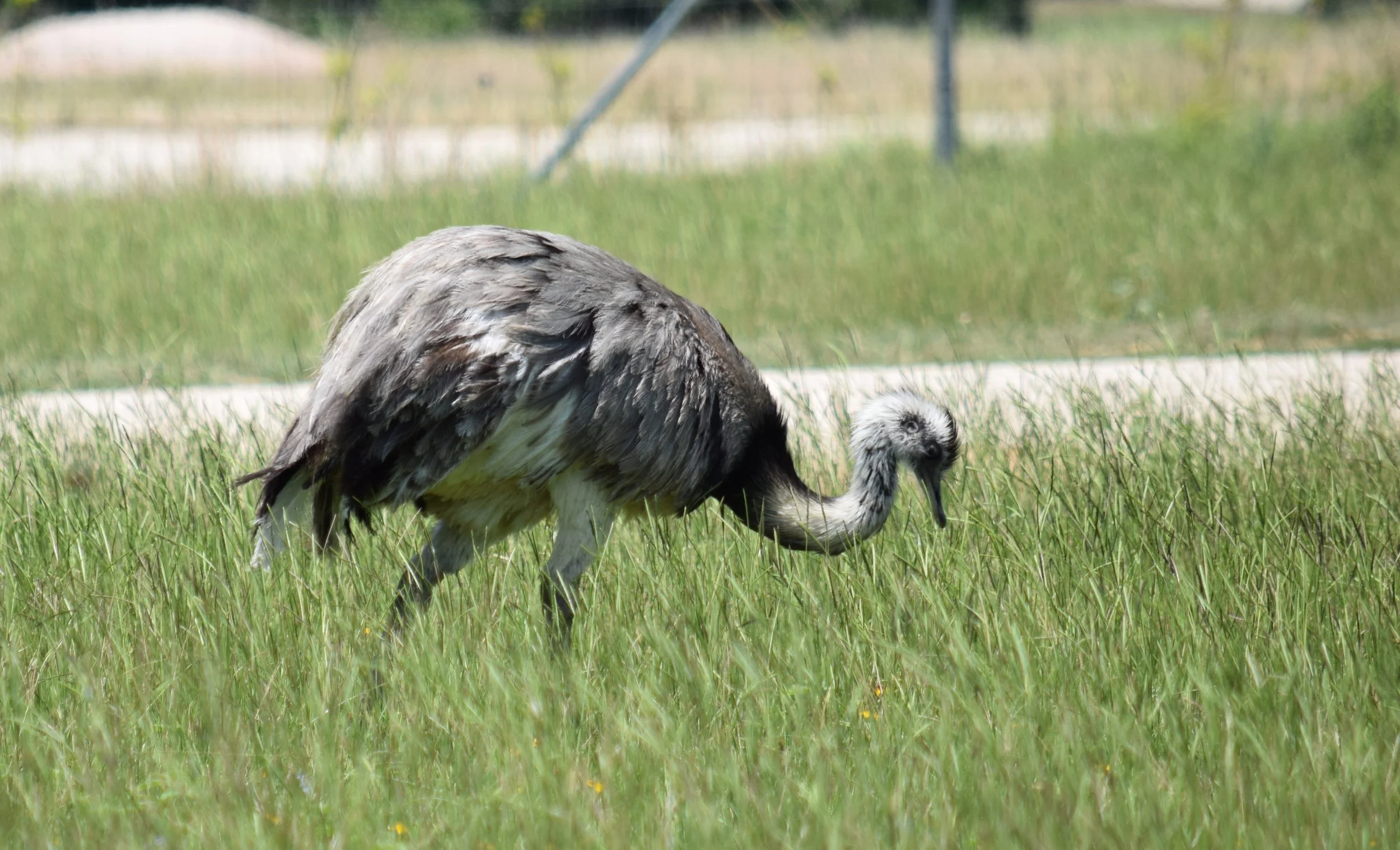
Rheas stand approximately 4 to 5 feet tall.
They are the largest birds native to South America.
Rheas are social birds that form flocks ranging from 10 to 100 individuals.
Their wings are relatively long and are used to help maintain balance during fast running and sharp turns, as well as during courtship displays.
Rhea plumage varies from gray to leucistic individuals, which have white feathers and blue eyes.
WATusI
Scientific Name: Bos Taurus or indicus
IUCN Status: Least Concern
Native Origin: Africa
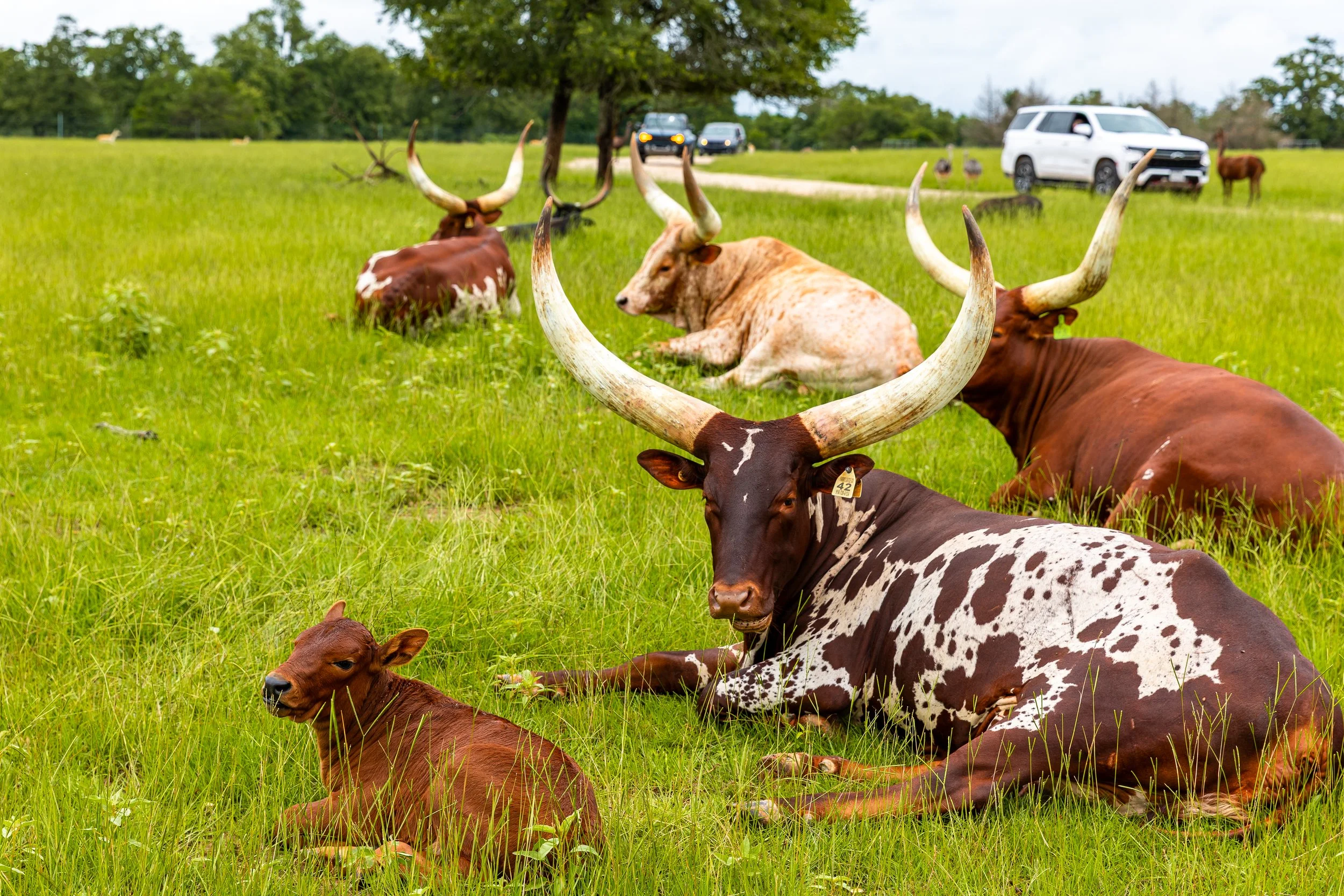
Watusi cattle can stand 7 to 8 feet tall at the shoulder.
Females typically weigh between 990 and 1,200 pounds, while males range from 1,200 to 1,600 pounds.
Their large horns are not only used for defense but also help regulate body temperature by channeling blood through the horn cores.
Horns can grow up to 8 feet long and reach up to 40 inches in circumference.
Yaktusi
Scientific Name: Bos grunniens
IUCN Status: Not Listed
Native Origin: Domesticated Hybrid
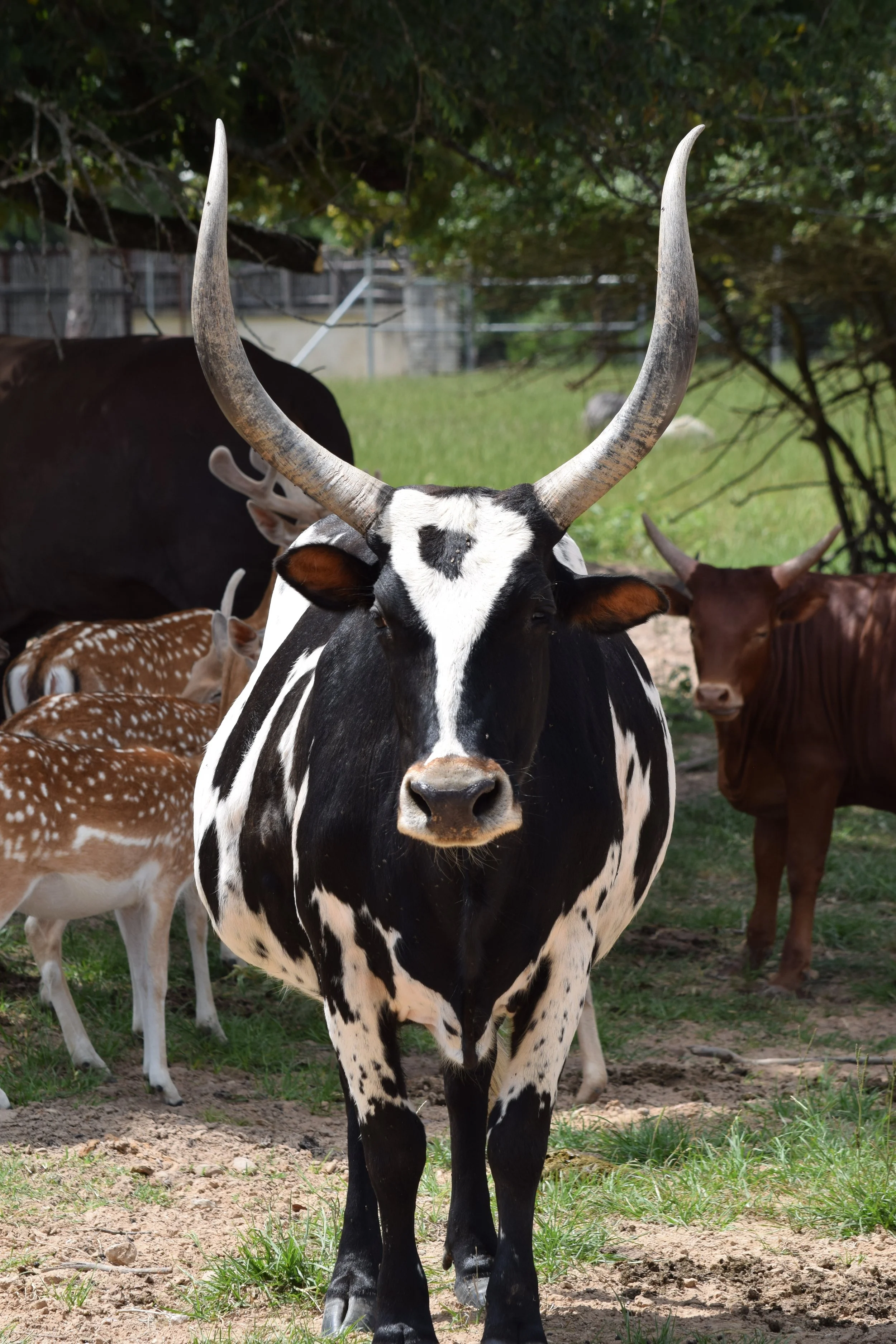
A yaktusi is a deliberately bred hybrid between a yak and a Watusi.
In Tibet, crossbreeds of yak and other cattle are called “dzo” for males and “dzomo” for females.
Female yaktusi are typically fertile, while males are usually sterile.