
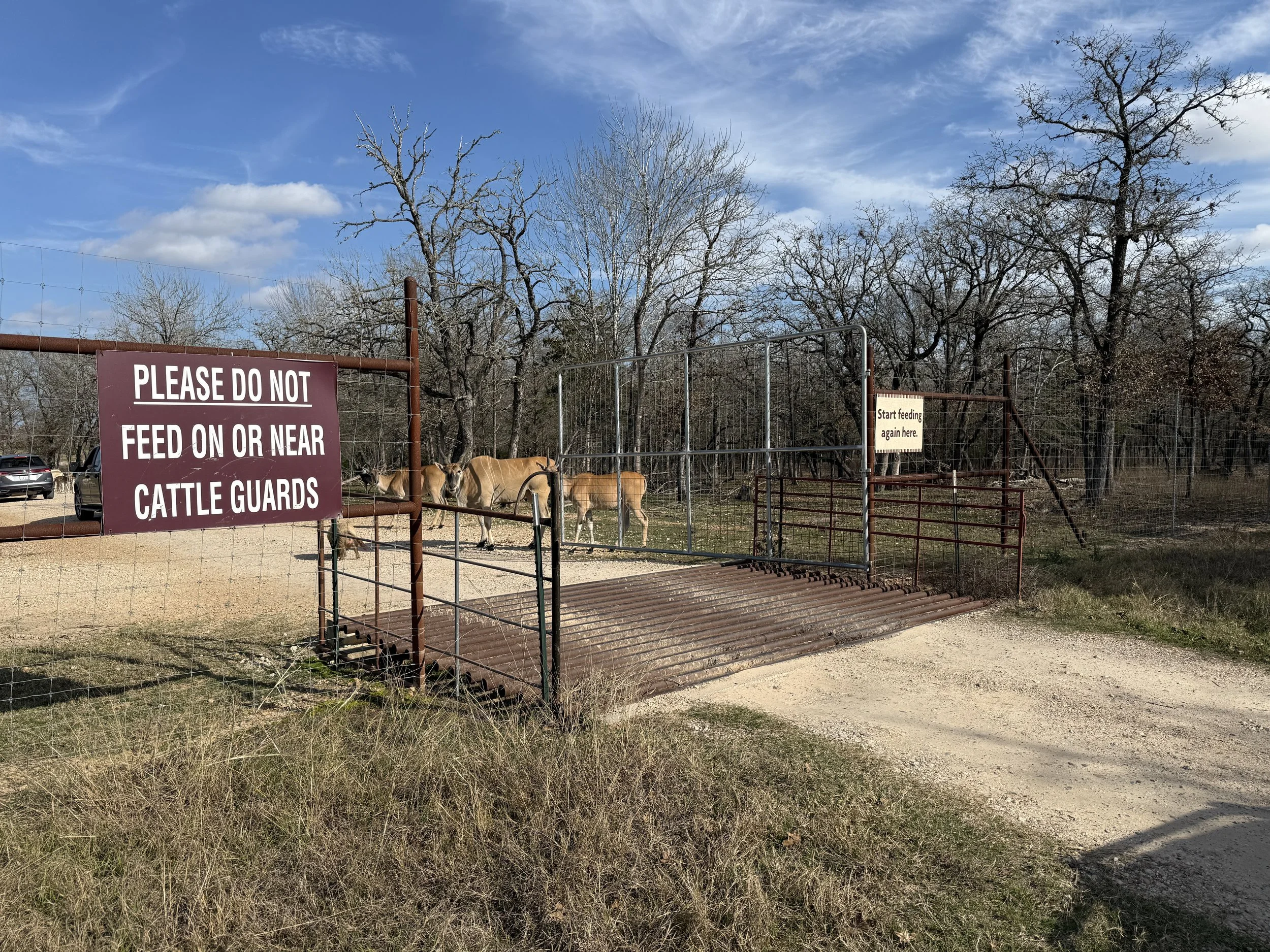
• DO NOT FEED ON OR NEAR CATTLE GUARDS
• DO NOT FEED FROM YOUR HANDS!!
• DO NOT ATTEMPT TO TOUCH/PET THE ANIMALS
• THROW FOOD ON THE GROUND AWAY FROM THE VEHICLE
• STAY ON THE MAIN ROADS
• 5MPH SPEED LIMIT
• IF YOU WOULD LIKE TO STOP FOR EXTENDED PERIODS OF TIME, PULL TO THE RIGHT SIDE OF THE ROAD

Aoudad
Scientific Name: Ammotragus lervia
IUCN Status: Vulnerable
Native Origin: Africa
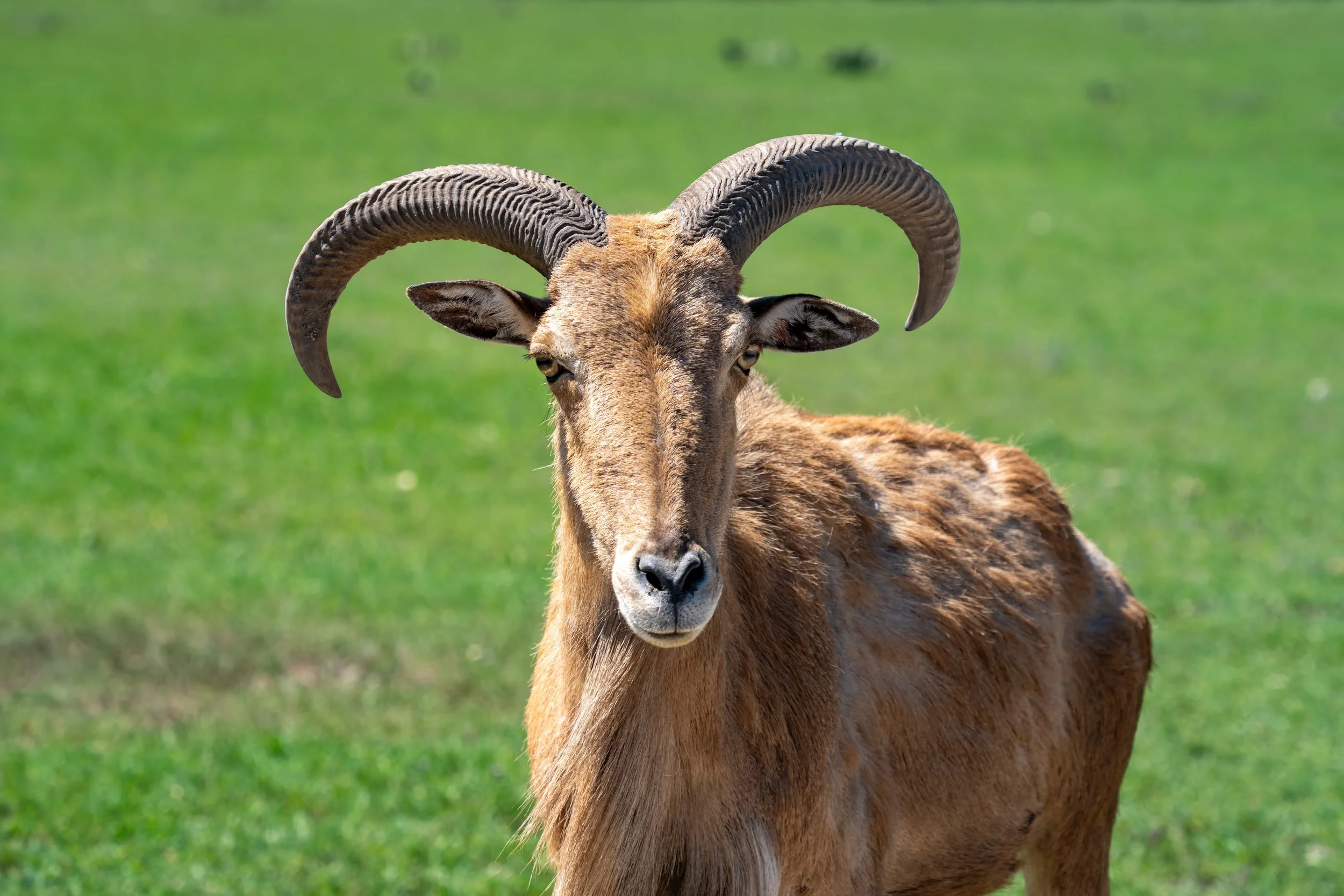
Commonly called Barbary Sheep, but aoudads are not true sheep; they are more closely related to goats and belong to a separate group of mountain-dwelling hoofed animals.
Male Barbary sheep are called rams, and females are called ewes.
Females can be highly protective and aggressive, especially when defending young.
Aoudads are powerful jumpers and can clear obstacles up to 2 meters (6.6 feet).
Their horns are made of keratin (the same material as human fingernails) and continue to grow throughout their lives; a new growth ring typically forms each winter.

Banteng
Scientific Name: Bos javanicus
IUCN Status: Endangered
Native Origin: Asia
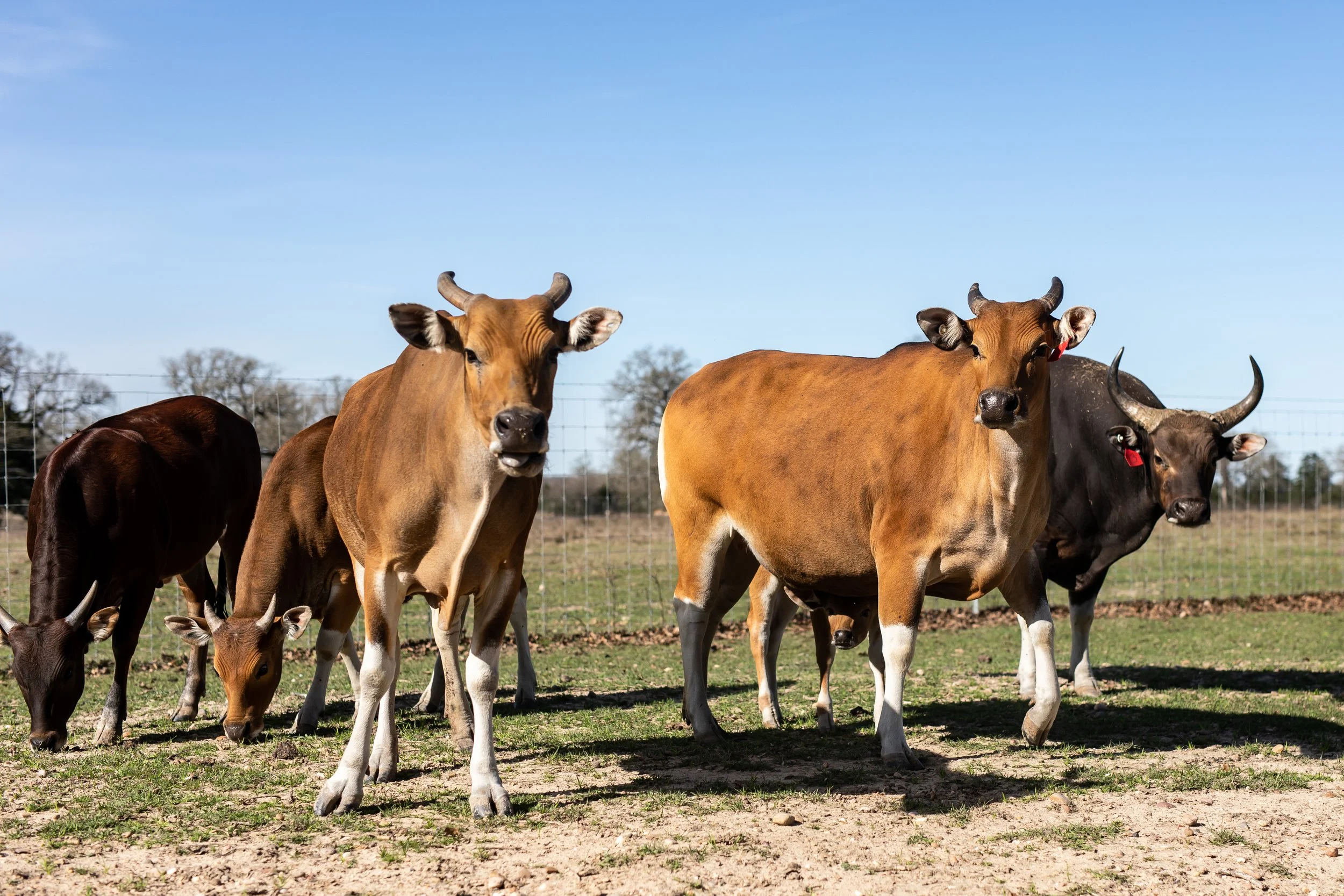
There are approximately 1.5 million domestic banteng, which are known as Bali cattle.
Banteng are sexually dimorphic, meaning the males look distinctly different from females. Males have a dark black coat, while females range from light to dark brown.
The banteng was the second endangered species ever successfully cloned and the first endangered animal clone to survive beyond infancy.
Banteng are primarily forest-dwelling animals, inhabiting tropical and subtropical forests.
They are legally protected throughout most of their natural range and are now largely restricted to protected areas, with limited exceptions in some regions
BLACKBUCK
Scientific Name: Antilope cervicapra
IUCN Status: Near threatened
Native Origin: Asia (India & Pakistan)
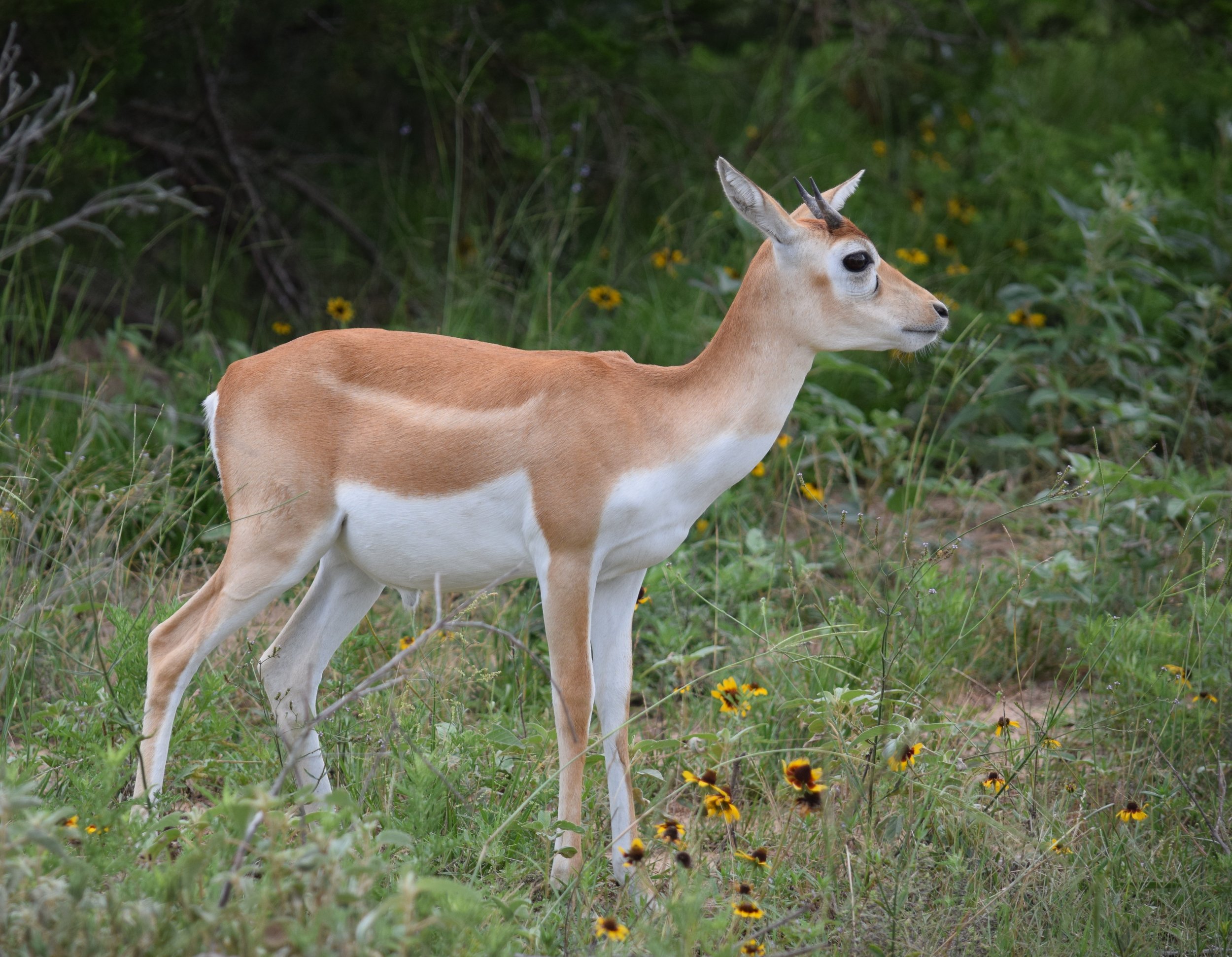
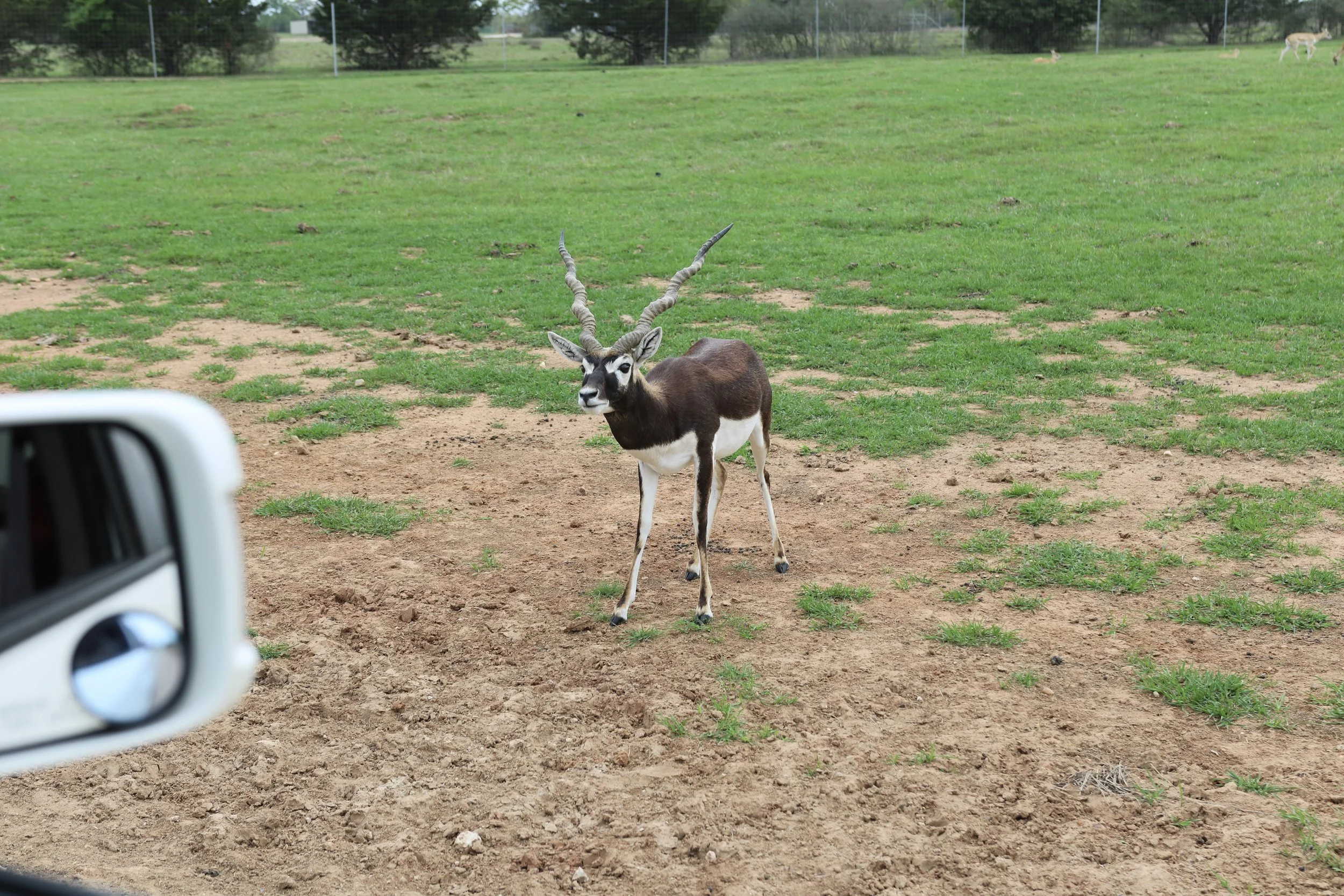
Blackbuck are social animals that live in herds. They have glands in their hooves that leave scent tracks as they move. This helps separated animals locate their herds.
Also known as the lesser antelope.
Mature males develop a striking black coat, while females and adolescent males are brown. If males are castrated, they will maintain the brown coloration of a female, but still grow horns!
Top running speed: approximately 50 miles per hour.
Herds typically range from 5 to 50 individuals.
Blue Wildebeest
Scientific Name: Connochaetes taurinus
IUCN Status: Least concern
Native Origin: Africa
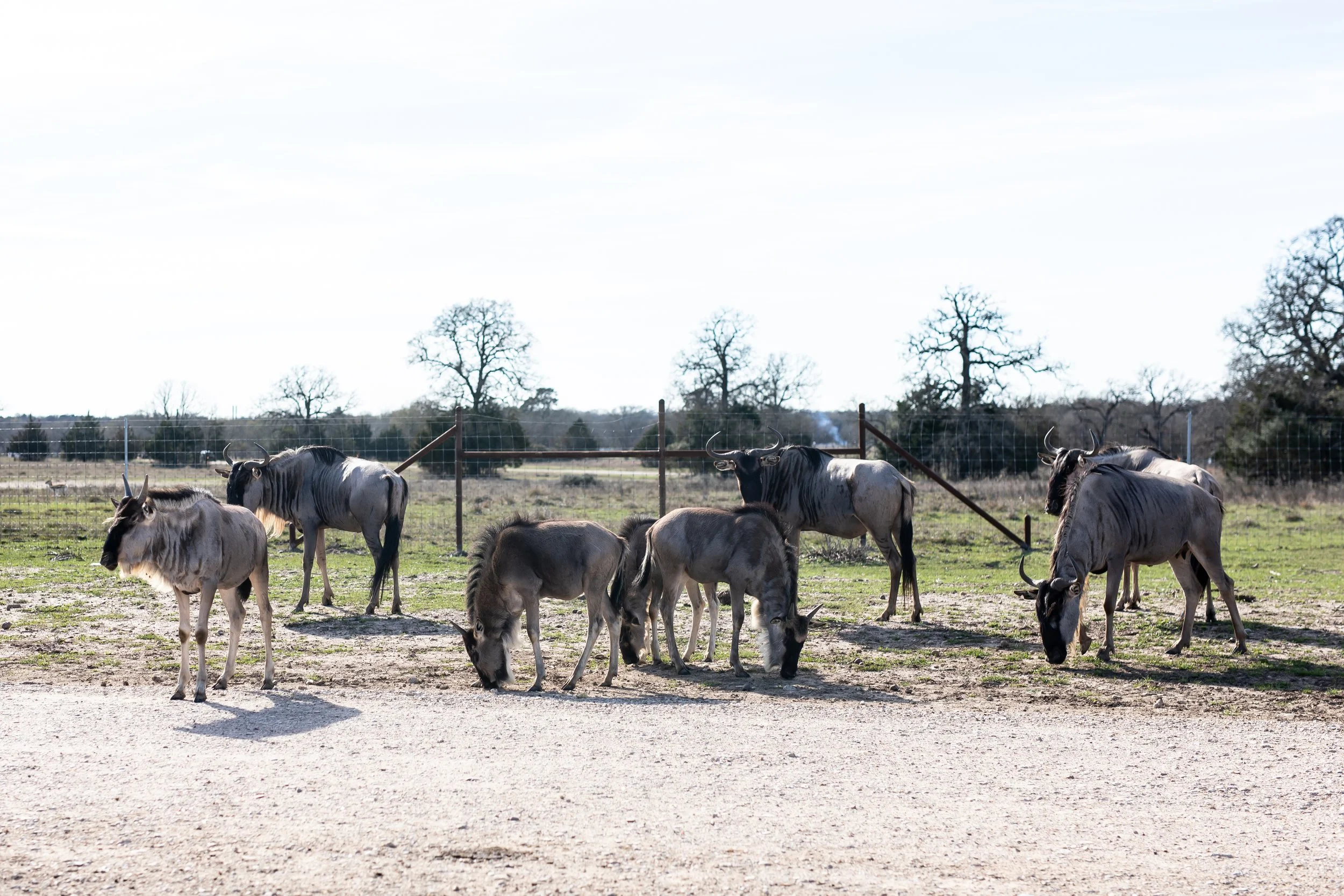
The blue wildebeest is a large antelope and one of the two species of wildebeest.
Blue wildebeest are highly social animals and form some of the largest migratory herds of any antelope species.
They get their name from the silvery blue sheen of their coat, which can vary in color from grayish to brown depending on age and lighting.
Blue wildebeest spend the hottest part of the day resting, with increased activity occurring in the early morning and late afternoon.
The gestation period lasts about eight months and typically results in a single calf, which can stand and walk within approximately 15 minutes of birth.
Fun fact: In the wild, blue wildebeest take part in one of the largest land migrations on Earth, with over a million individuals moving across the Serengeti in search of fresh grass and water.
COMMON ELAND
Scientific Name: Taurotragus oryx
IUCN Status: Least concern
Native Origin: Africa
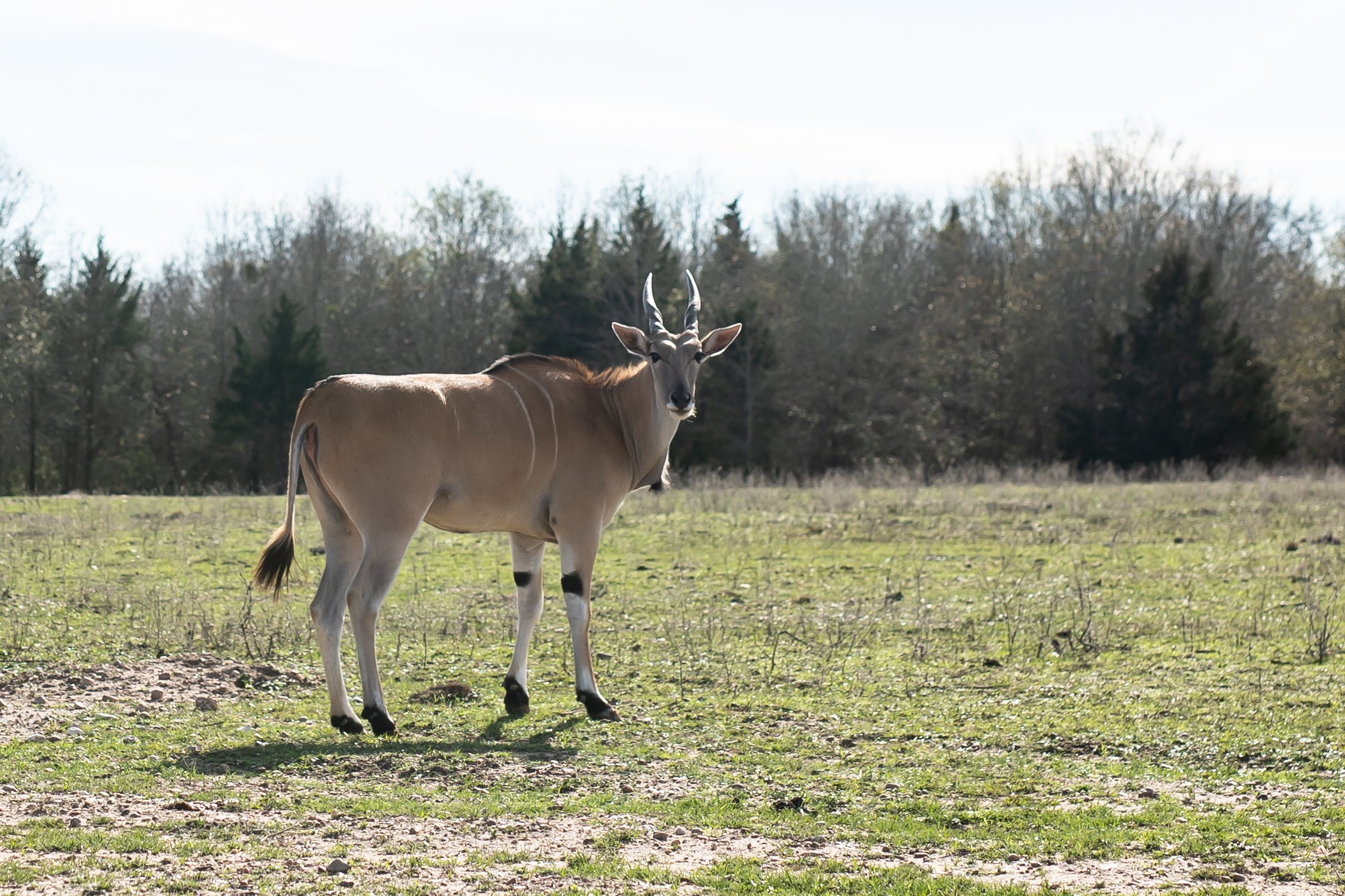
Common eland have been used by humans for leather, meat, and milk, and they have been semi-domesticated in some regions of Africa.
Common eland are primarily crepuscular and often feed during the evening or night, when vegetation has absorbed moisture from the air and contains higher water content.
Although they appear slow and heavy, common eland can move quickly when needed, reaching speeds of up to about 25 miles per hour over short distances.
Eland milk is exceptionally rich in milk fat and protein, and when traditionally processed or fermented, it can be stored for extended periods without refrigeration.
Despite their large size, common eland are excellent jumpers and can clear obstacles up to 1.5 meters (5 feet) high.
Eld’s Deer
Scientific Name: Rucervus eldii
IUCN Status: Endangered
Native Origin: Southeast asia
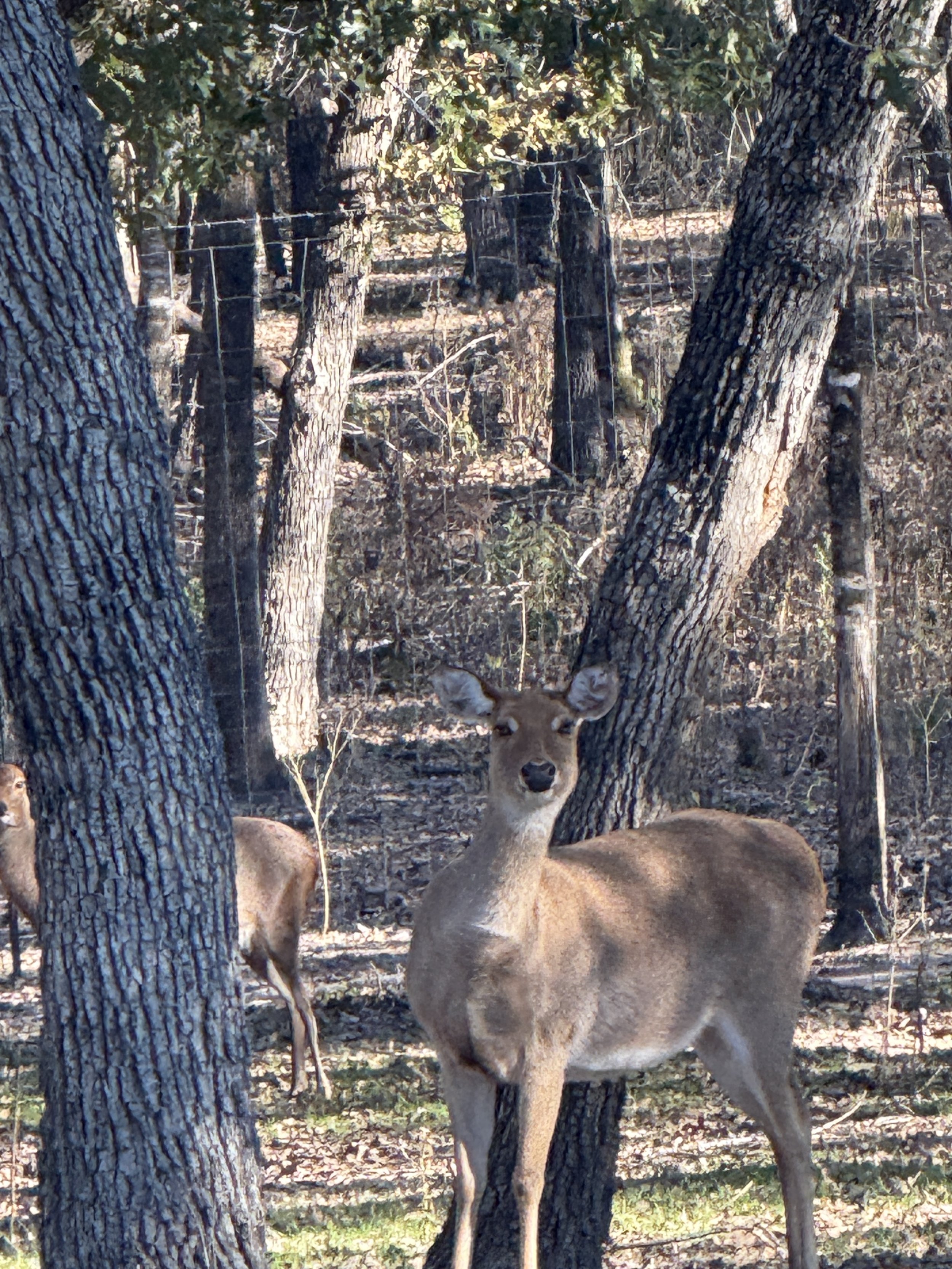
Eld’s deer are primarily nocturnal, spending much of the night foraging for food.
The gestation period lasts approximately 34 weeks, and females typically give birth to a single fawn in a concealed location.
Historically, Eld’s deer are believed to have been hunted as a food source for armies during various conflicts in parts of Asia.
Their natural predators include tigers, leopards, and jackals.
Eld’s deer have an average lifespan of approximately 14 to 19 years.
ELK
Scientific Name: Cervus canadensis
IUCN Status: Least concern
Native Origin: North America, Europe
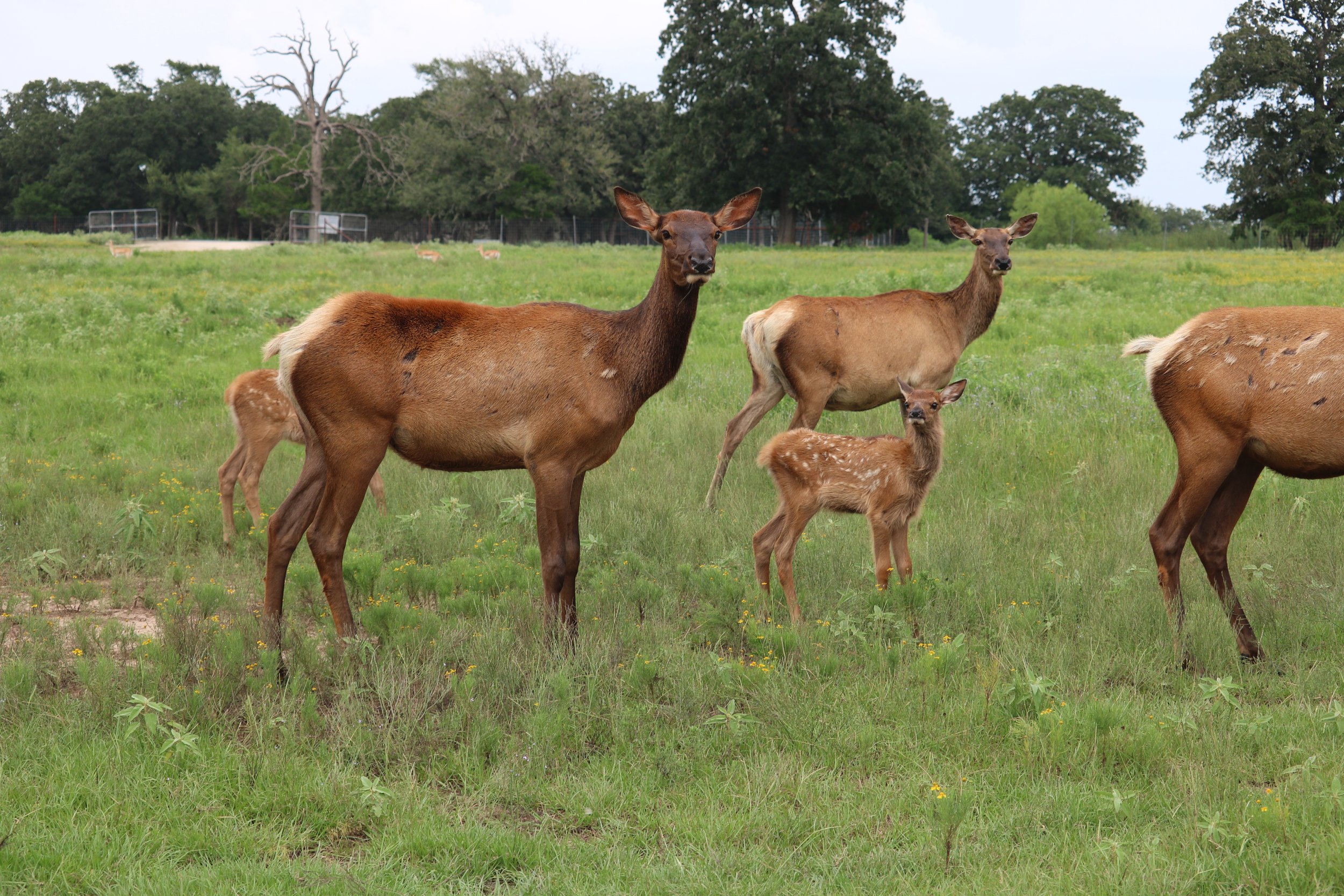
Elk are one of the largest species within the deer family.
The name “elk” can be confusing because in North America it refers to Cervus canadensis, while in British English the term “elk” is often used for Alces alces, which North Americans call the moose.
An elk’s winter coat consists of long, water-resistant guard hairs that cover a thick, woolly underfur, helping them stay warm in cold climates.
Elk are highly social animals and often gather in large summer herds that can include up to 400 individuals.
Elk antlers are made of bone and can grow rapidly, sometimes at rates of up to 2.5 centimeters (1 inch) per day during the growing season.
EMU
Scientific Name: Dromaius novaehollandiae
IUCN Status: Least concern
Native Origin: Australia
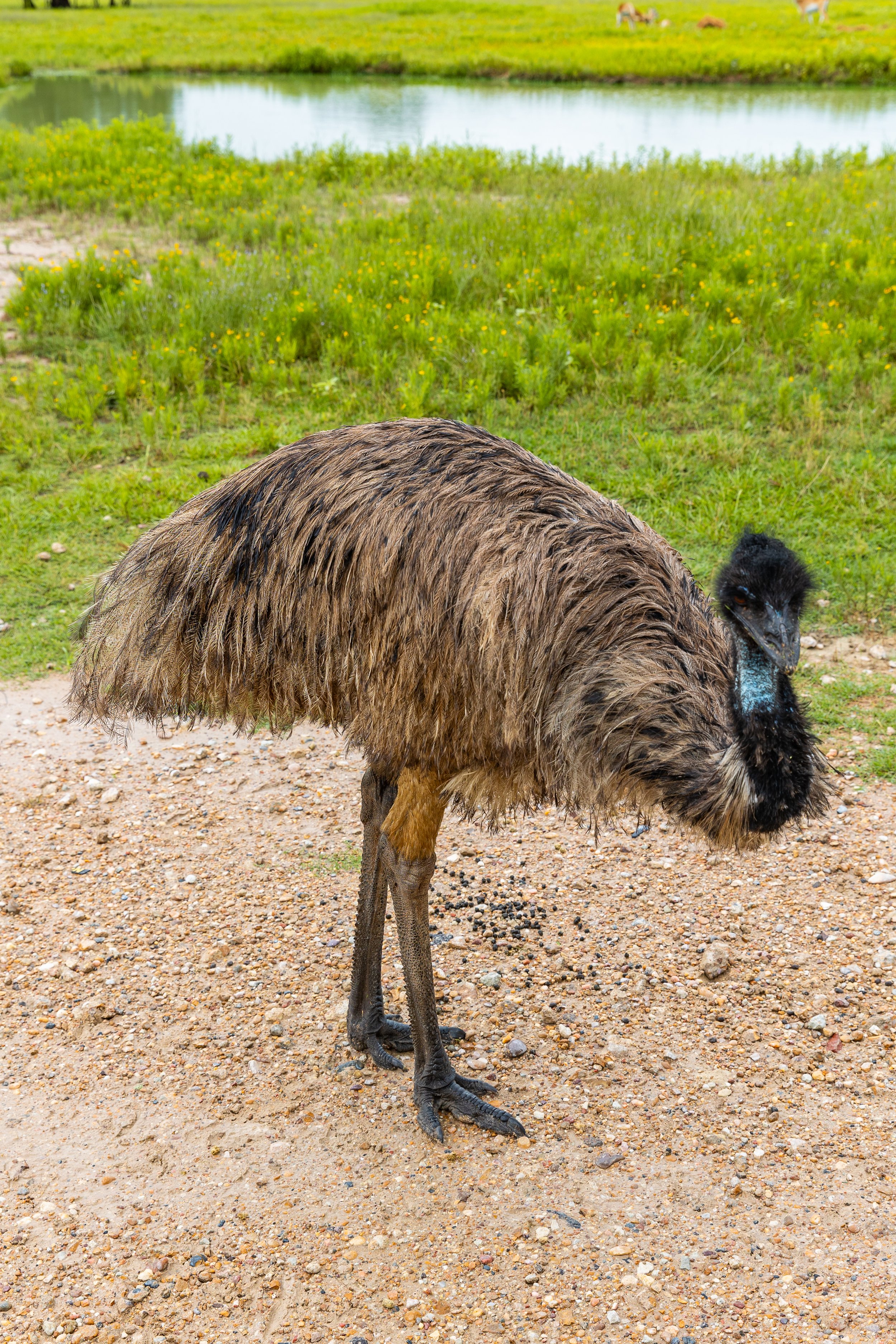
The emu is the second-largest living bird by height, surpassed only by the ostrich.
Emus can reach top running speeds of up to about 30 miles per hour.
When walking, an emu’s stride averages about 3.3 feet, but at a full gallop, a single stride can extend up to 9 feet.
Emus have two sets of eyelids: one for blinking and another specialized eyelid that protects their eyes from dust and debris.
Emus swallow pebbles and small stones, which help grind food in the gizzard and aid in digestion.
FALLOW DEER
Scientific Name: Dama dama
IUCN Status: Least concern
Native Origin: Mediterranean Europe & Asia
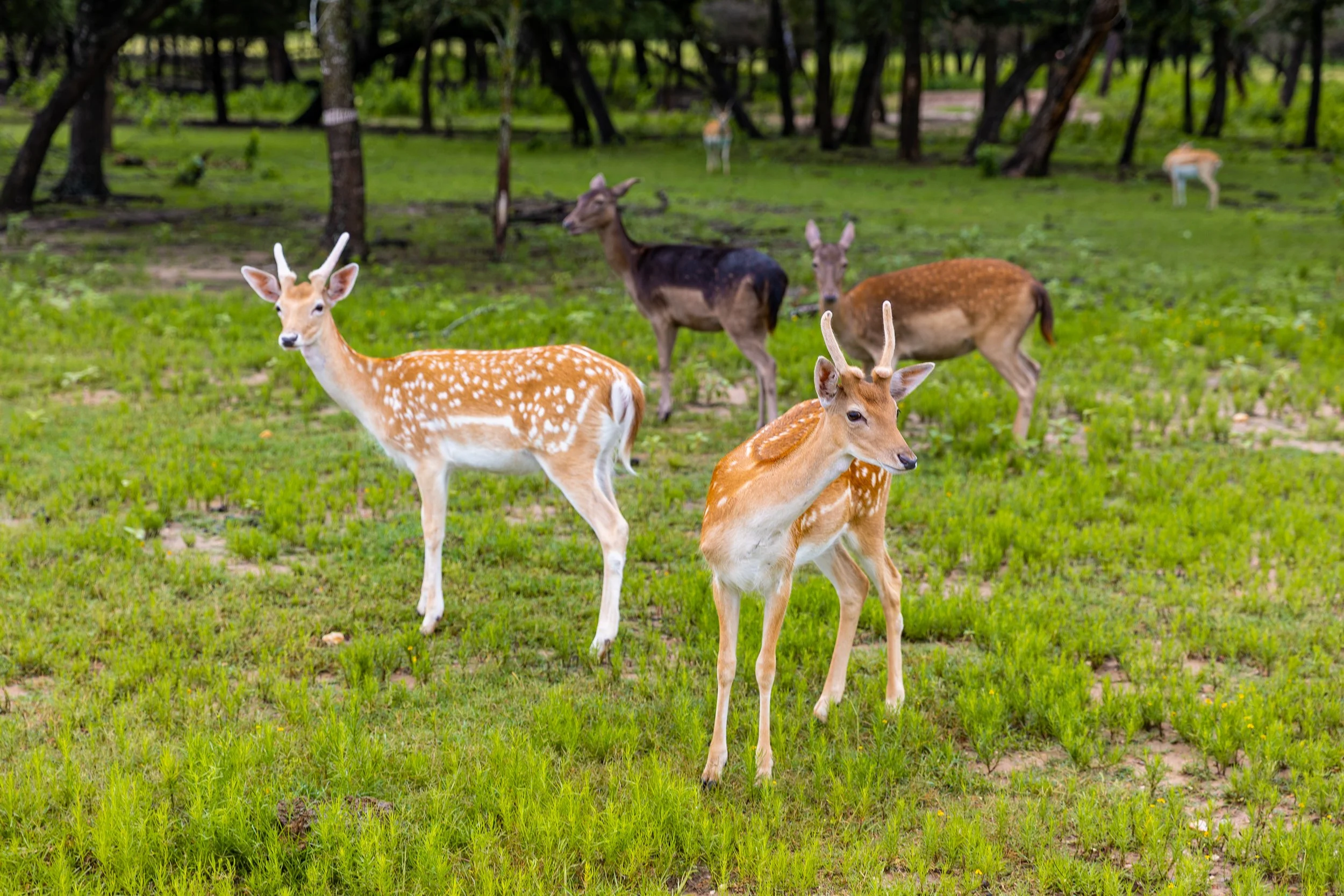
Fallow deer display a wide range of coat colors, including red, brown, black, and even pure white.
They are a social species that typically roam in groups, often segregated by sex, with females and fawns forming one group and males forming another.
Fallow deer have excellent eyesight and are capable of detecting small movements and fine details at long distances.
Fallow deer can reach top running speeds of up to about 30 miles per hour.
Fallow deer have an average lifespan of approximately 20 to 25 years.
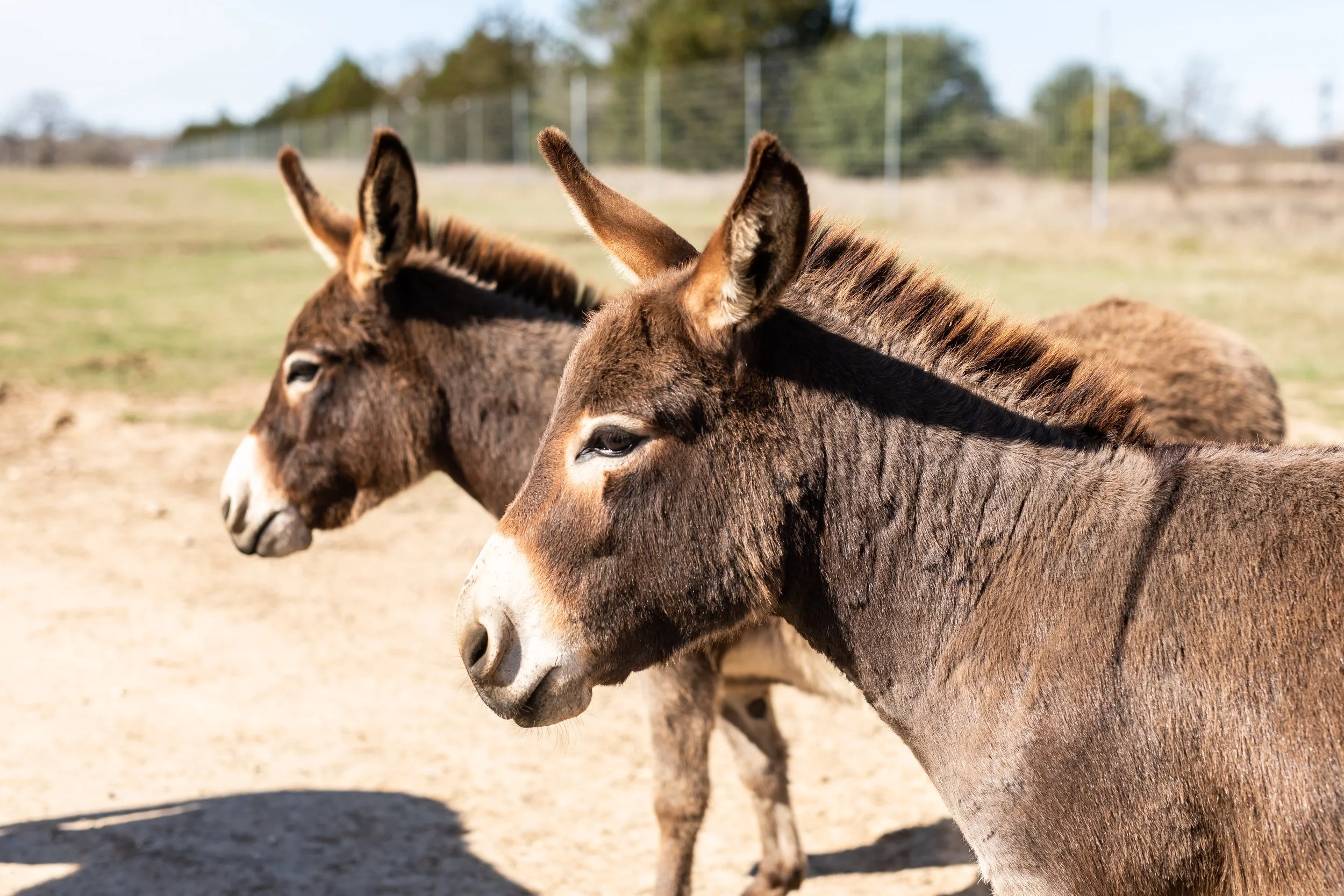
Miniature Donkey
Scientific Name: Equus africanus asinus
IUCN Status: Not Evaluated
Native Origin: Mediterranean Islands
Donkeys were domesticated in Africa approximately 5,000 to 6,000 years ago and have been used primarily as working animals throughout history.
There are an estimated 40 million donkeys worldwide.
Donkeys are highly social animals and readily form bonds with other donkeys as well as with livestock such as horses, cattle, goats, sheep, and llamas.
Donkeys enjoy rolling on the ground, a behavior that helps with comfort, grooming, and coat care.
Donkeys are known for their calm and reassuring presence and are often used as companion animals, including for weaned foals.
Nilgai
Scientific Name: Boselaphus tragocamelus
IUCN Status: Least concern
Native Origin: South Asia (India, Nepal, and Pakistan)
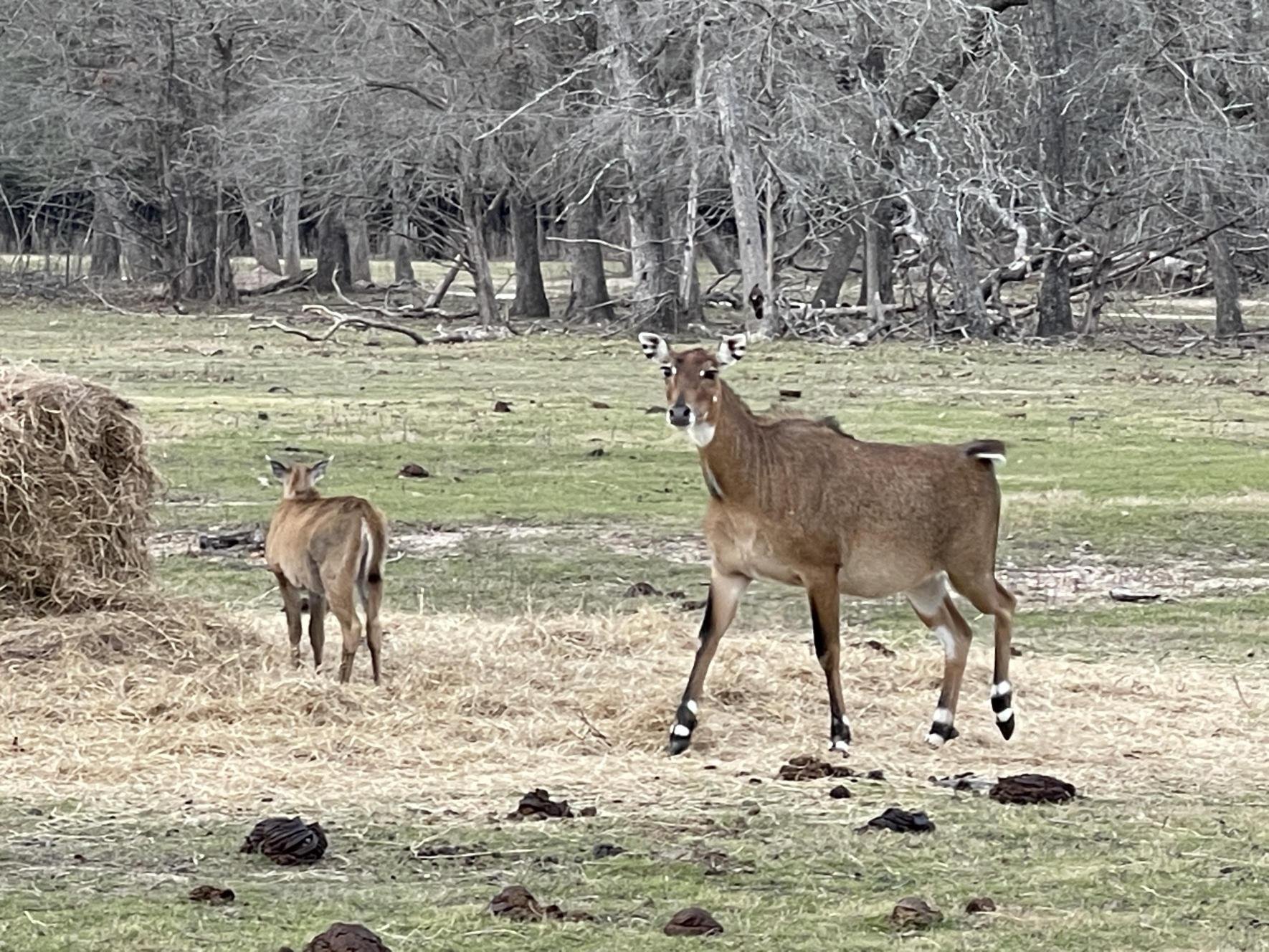
The nilgai is the largest antelope species native to Asia.
Females and juveniles are typically orange to tawny in color, while adult males are much darker, with a distinctive bluish-gray coat.
The name “nilgai” comes from the Hindi words nil meaning “blue” and gai meaning “cow,” and was first recorded in written use in 1882.
The nilgai’s coat provides limited insulation during cold weather, and prolonged exposure to severe cold can be fatal.
Nilgai are not native to the United States and have established free-ranging populations in parts of South Texas, where they are considered an introduced and invasive species.
Pere David’s Deer
Scientific Name: Elaphurus davidianus
IUCN Status: Extinct in the wild. Only found within domestication
Native Origin: China
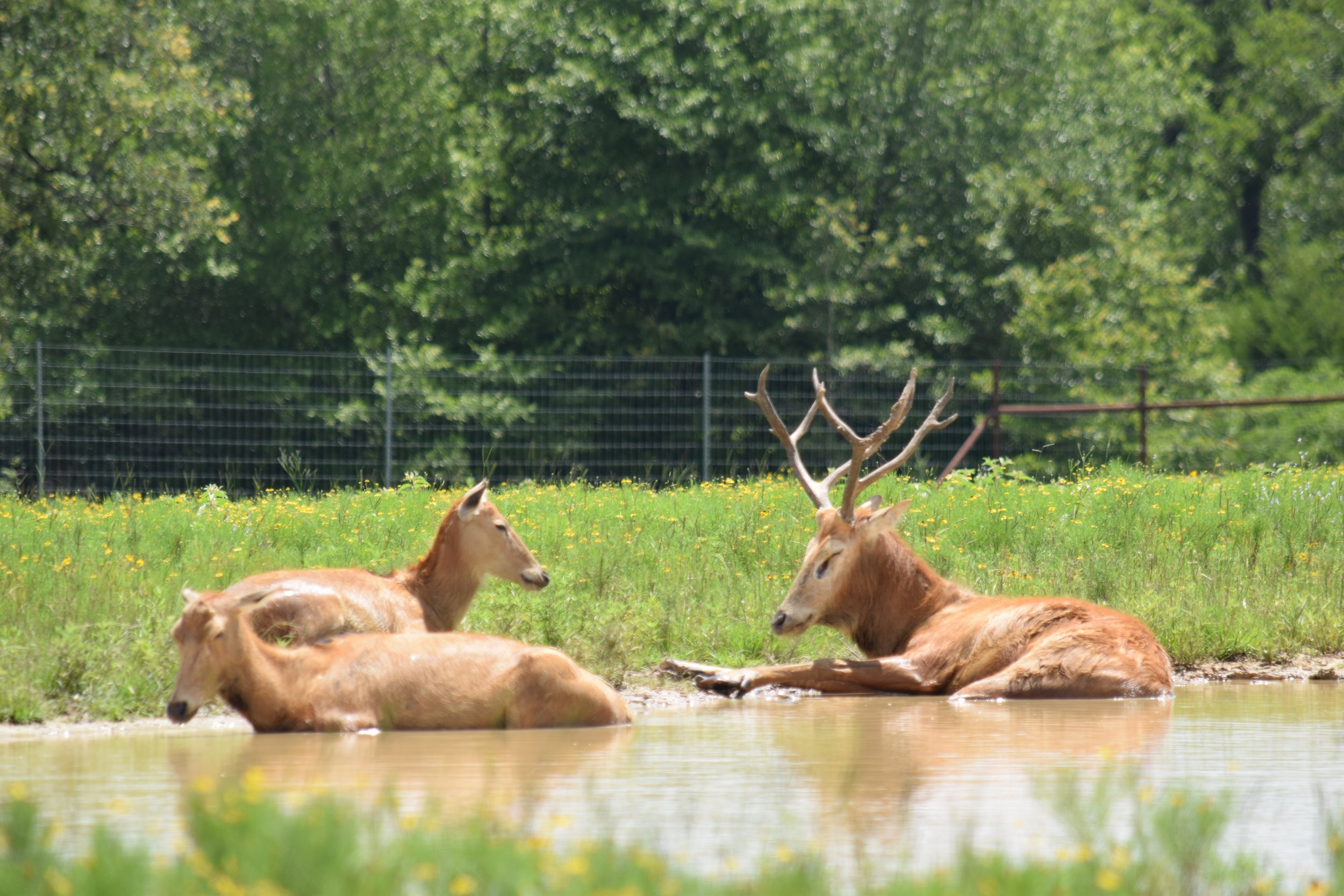
Père David’s deer stand approximately 4 feet tall at the shoulder.
Genetic studies show that Père David’s deer are closely related to Eld’s deer.
In the late 19th century, the world’s only known herd was maintained in the imperial hunting park of the Chinese emperor.
Today, the global population of Père David’s deer exists primarily in zoos, wildlife parks, and managed conservation programs around the world.
Père David’s deer are considered semi-aquatic and are well adapted to wetland habitats, where they often wade or swim.
POT-BELLIED PIG
Scientific Name: Sus domesticus
IUCN Status: Not evaluated
Native Origin: Domesticated Breed
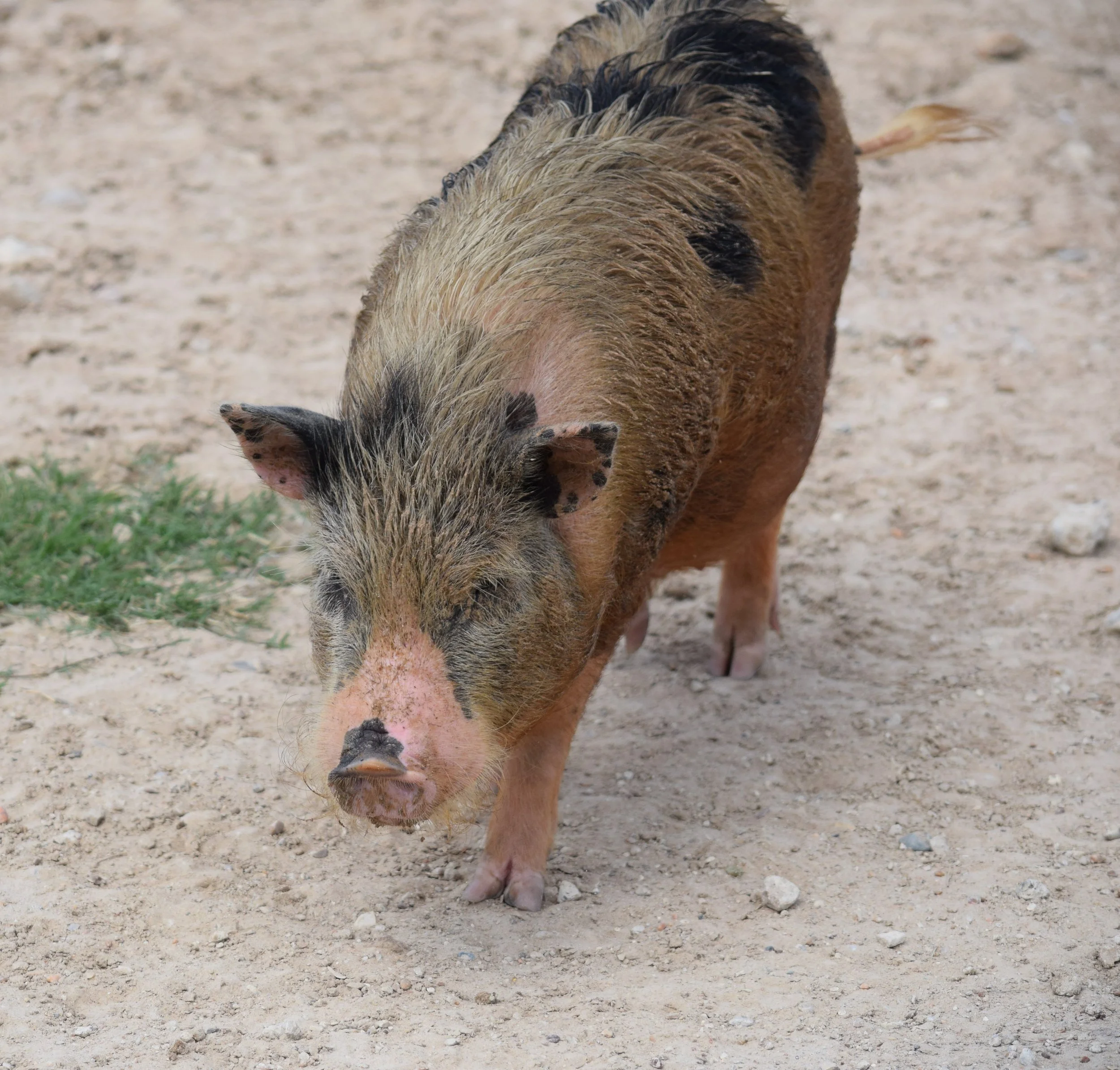
Pigs are highly intelligent animals and are often ranked among the most intelligent mammals, alongside animals such as chimpanzees, dolphins, and elephants.
Wallowing in mud helps pigs cool down, remove parasites, and protect their skin; mud also provides natural protection against ultraviolet (UV) rays.
Pigs were domesticated approximately 9,000–10,000 years ago, with domestication occurring independently in regions including eastern Anatolia and central China.
Pigs generally dislike being lifted off the ground and may resist when picked up, as they feel vulnerable when their feet are not supported.
Red Lechwe
Scientific Name: Kobus leche
IUCN Status: Near Threatened
Native Origin: Africa
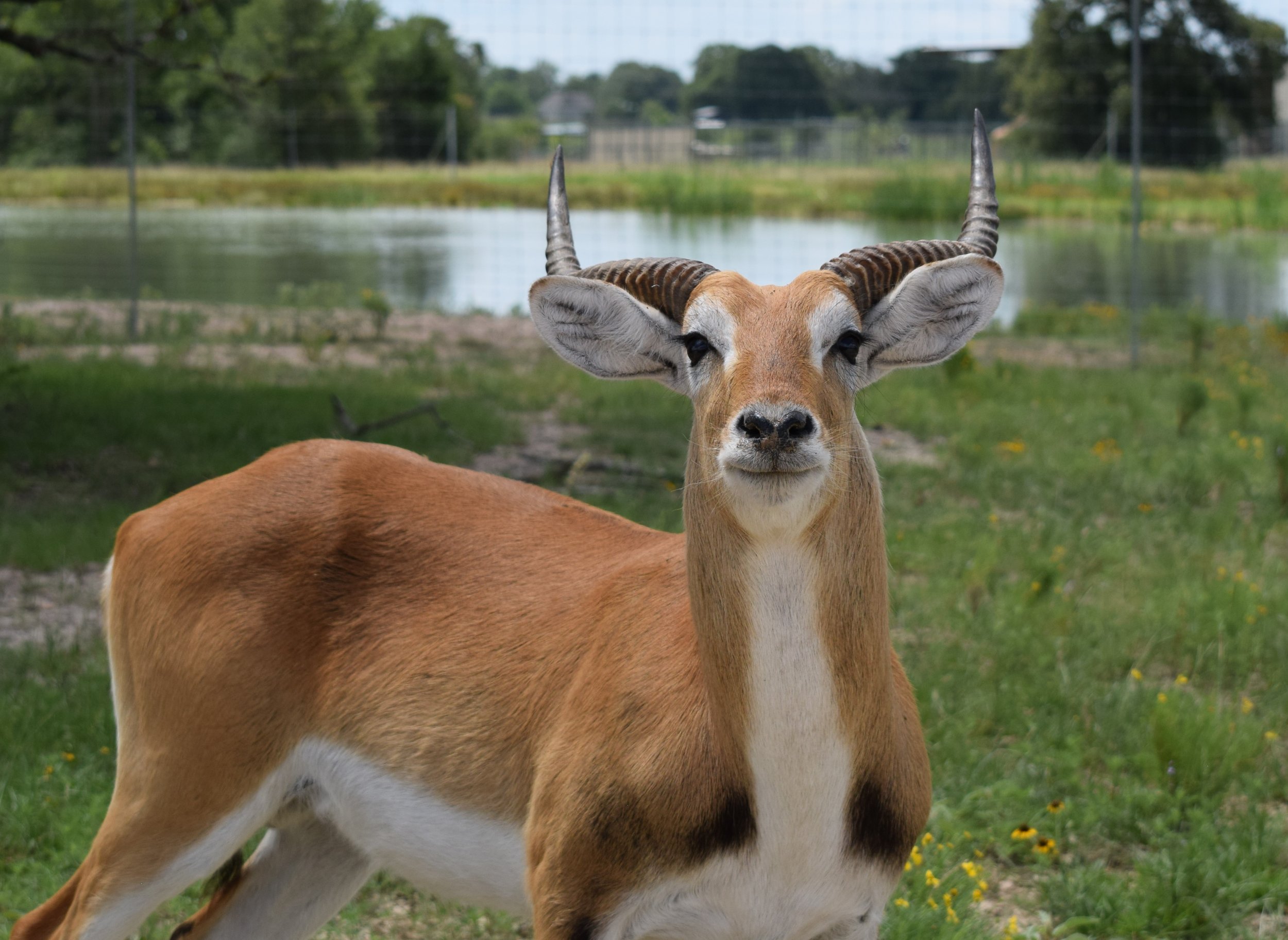
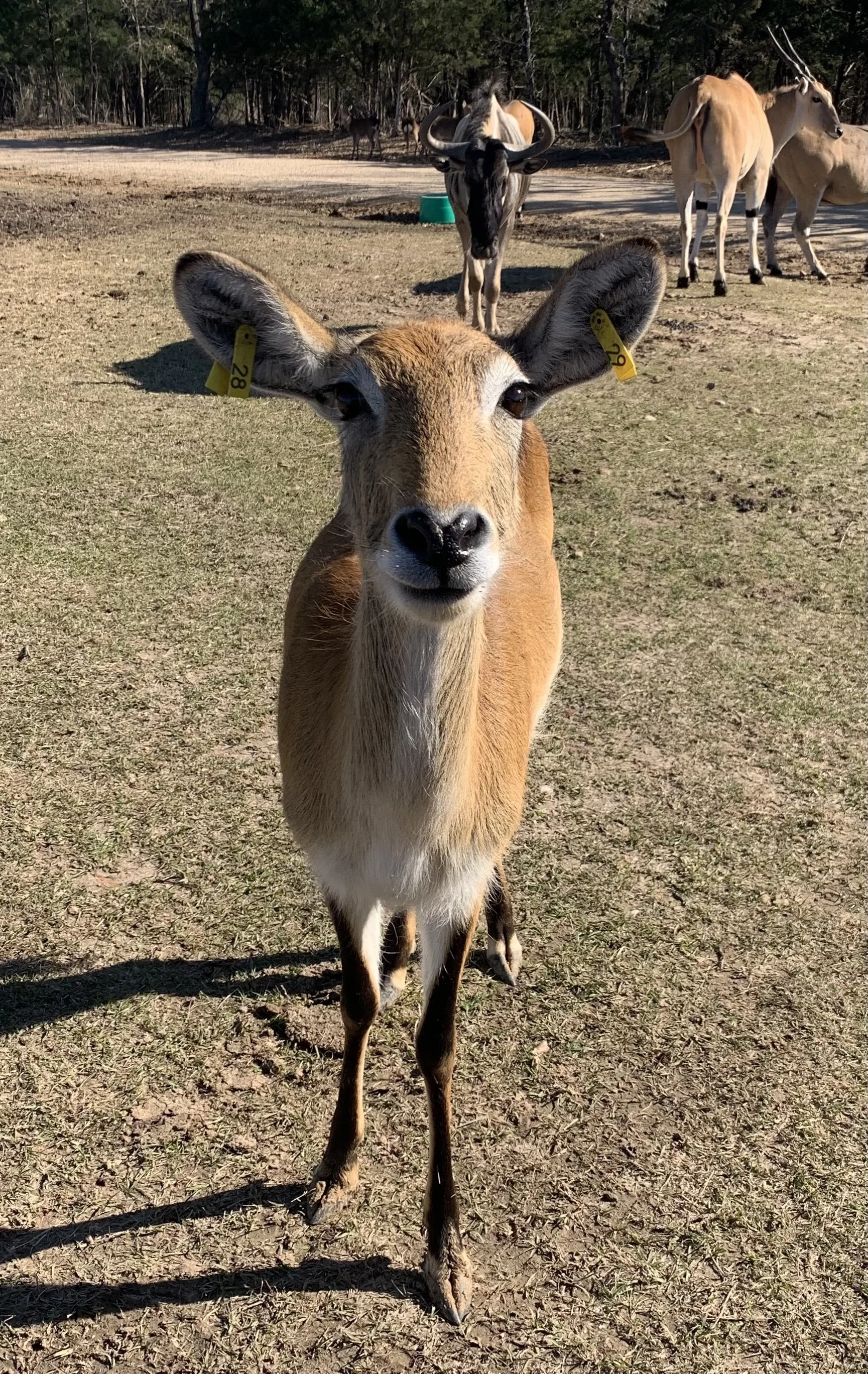
Red lechwe often use knee-deep water as protection from predators.
Their legs are coated with a water-repellent substance, allowing them to run quickly and efficiently through water.
One of their major predators is the cheetah, which they are known to outmaneuver and outrun in shallow water.
Red lechwe do not have scent glands; their oily coats have a distinctive odor that helps repel water.
Female red lechwe reach reproductive maturity at about 1.5 years of age, while males are ready to breed at around 5 years.
RHEA
Scientific Name: Rhea americana
IUCN Status: Near Threatened
Native Origin: South America
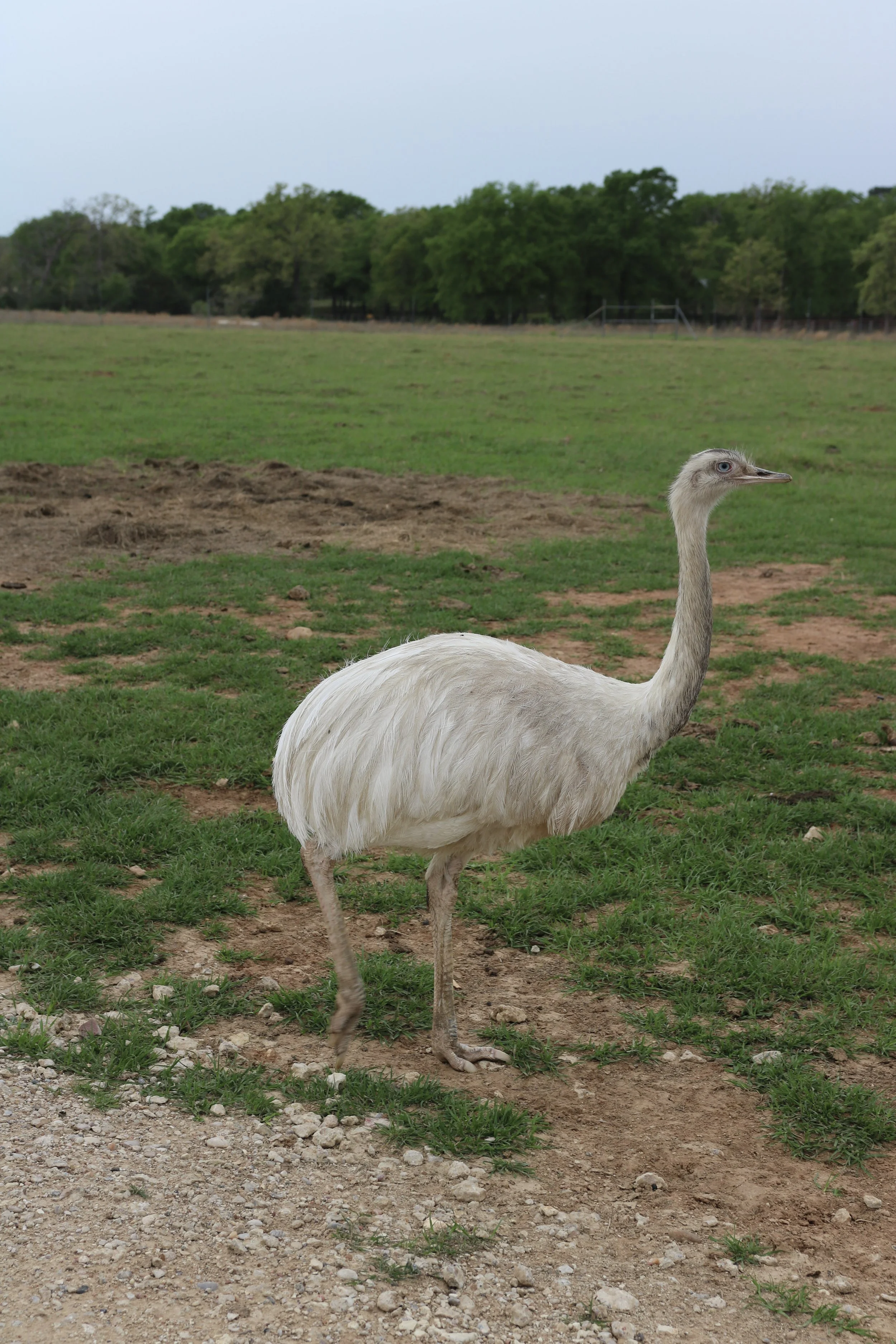
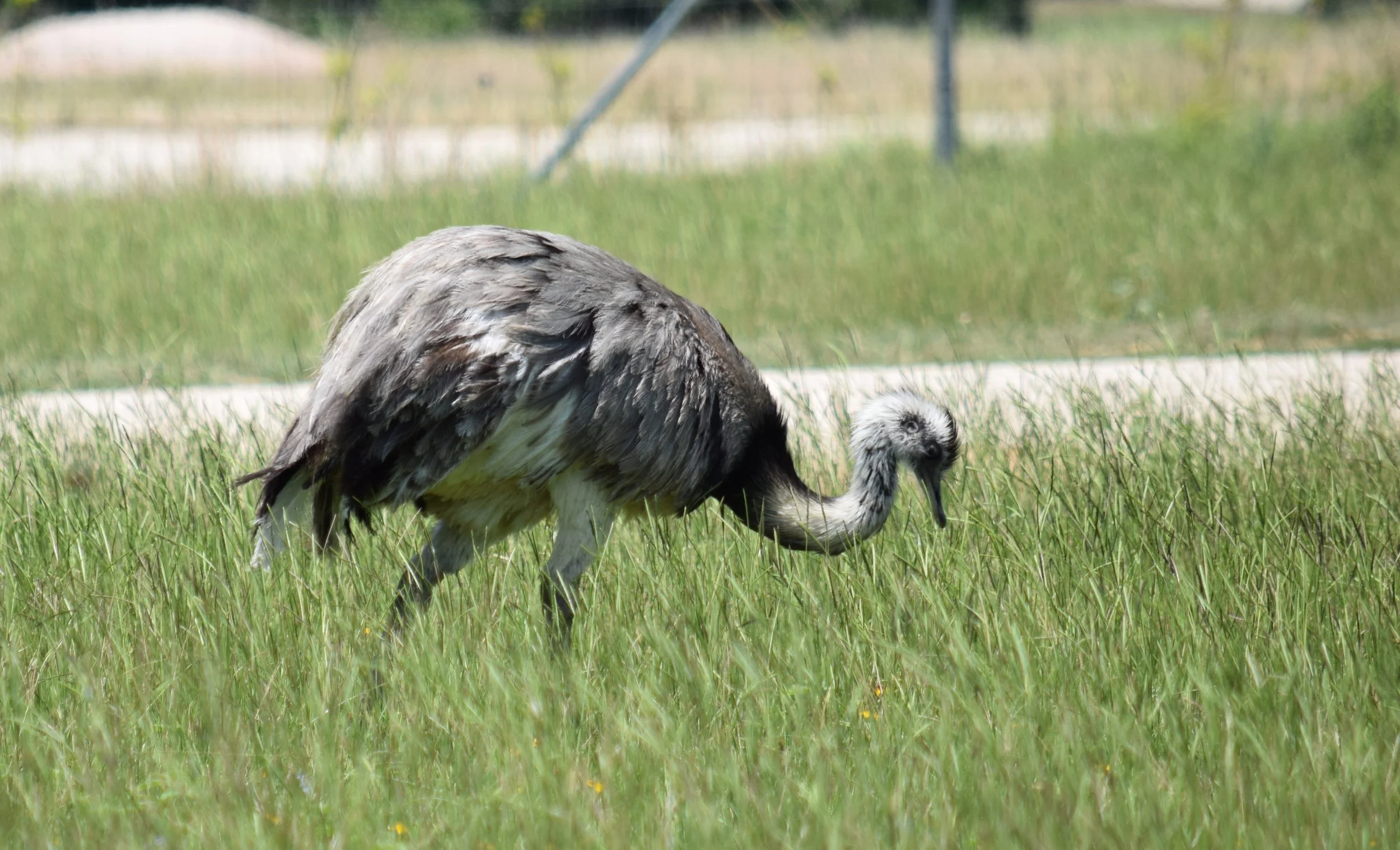
Rheas stand approximately 4 to 5 feet tall.
They are the largest birds native to South America.
Rheas are social birds that form flocks ranging from 10 to 100 individuals.
Their wings are relatively long and are used to help maintain balance during fast running and sharp turns, as well as during courtship displays.
Rhea plumage varies from gray to leucistic individuals, which have white feathers and blue eyes.
SIKA DEER
Scientific Name: Cervus nippon
IUCN Status: Least Concern
Native Origin: East Asia
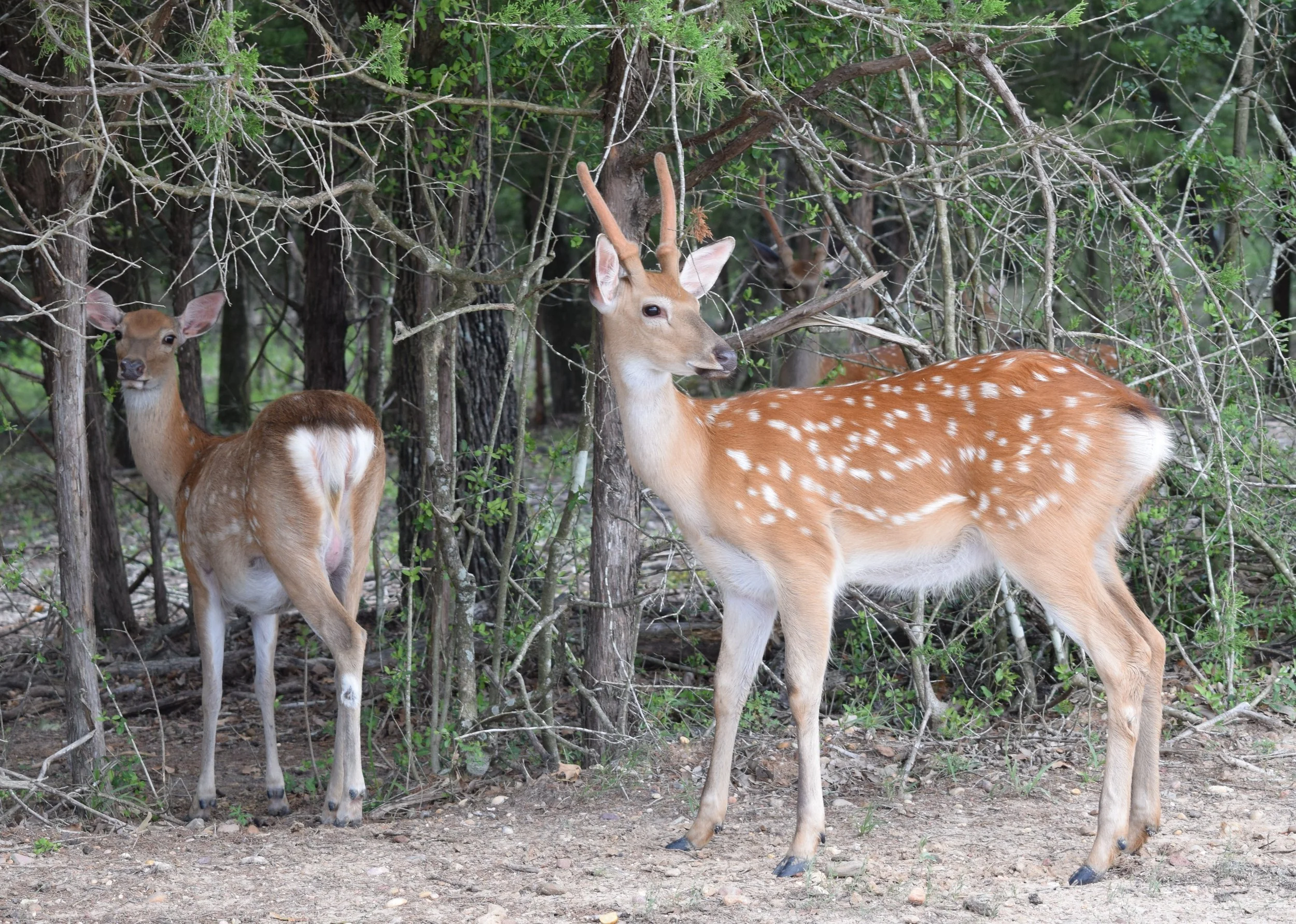
There are several subspecies of sika deer, but the two most well-known are the Japanese sika, which are smaller and have bright summer spots, and Dybowski’s sika, which are larger, darker, and have longer antlers.
Their coats change with the seasons, appearing reddish-brown with white spots in summer and turning darker brown in winter.
Sika deer communicate using a variety of vocalizations, including barks, squeals, soft mews, and their distinctive high-pitched whistle.
Sika deer are excellent swimmers and can cross rivers and lakes when needed.
Scimitar-horned Oryx
Scientific Name: Oryx dammah
IUCN Status: Endangered
Native Origin: Africa
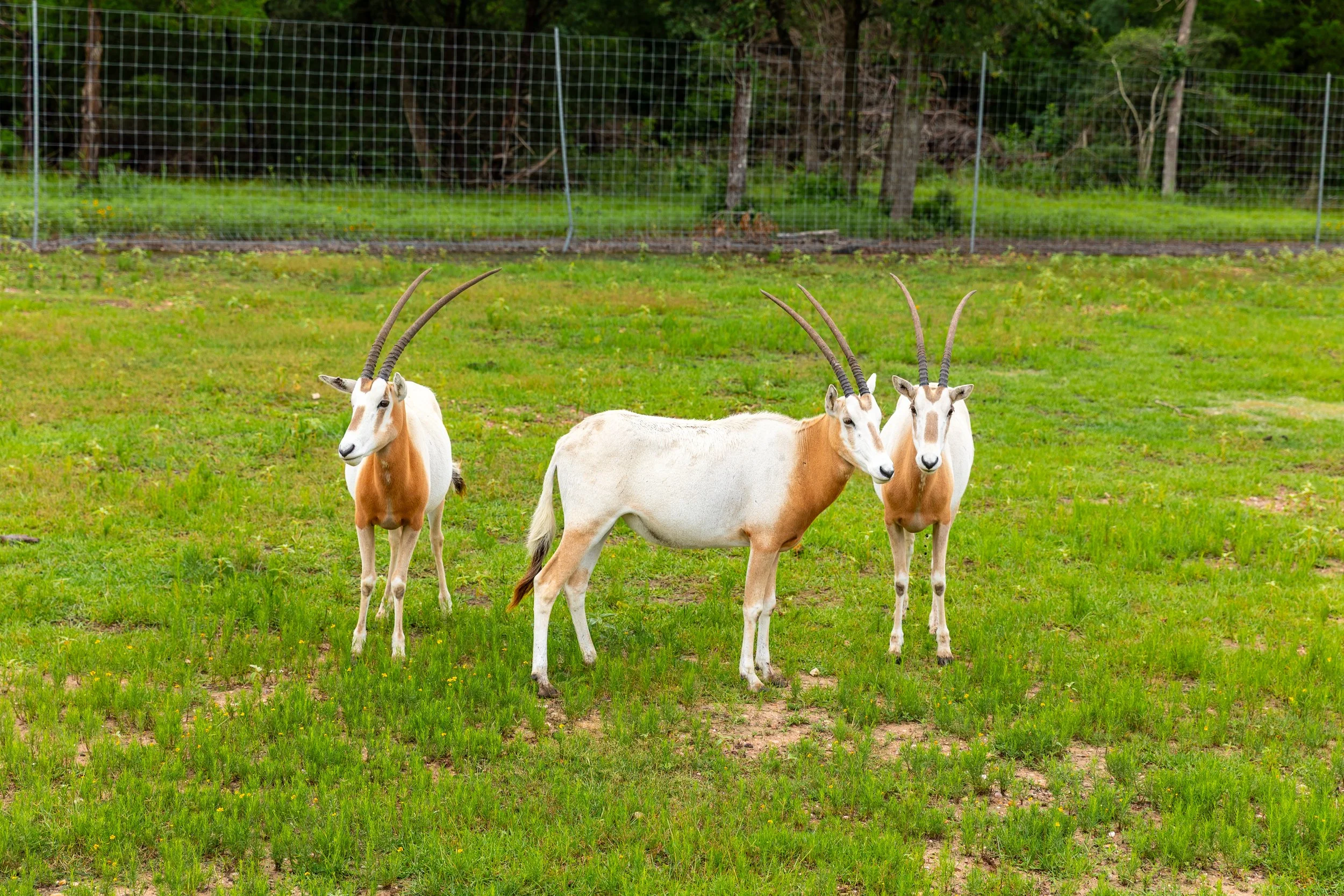
Once declared extinct in the wild in 2000, scimitar-horned oryx were successfully reintroduced into Chad in 2023 thanks to captive breeding programs in zoos and wildlife reserves.
Their light-colored coat reflects the sun’s rays, while dark markings on the face and the tip of the tongue help protect against sunburn.
Their long, curved horns can reach lengths of approximately 4 to 5 feet.
Scimitar-horned oryx are highly adapted to desert life and can survive without drinking water for 9 to 10 months, as their kidneys efficiently conserve water.
The legend of the one-horned unicorn may have been inspired by sightings of injured scimitar-horned oryx. Their horns are made of hollow bone and cannot regrow; if an oryx loses a horn, it will live the rest of its life with only one.
BRONZE TURKEY
Scientific Name: Meleagris gallopavo domesticus
IUCN Status: Least Concern
Native Origin: North America
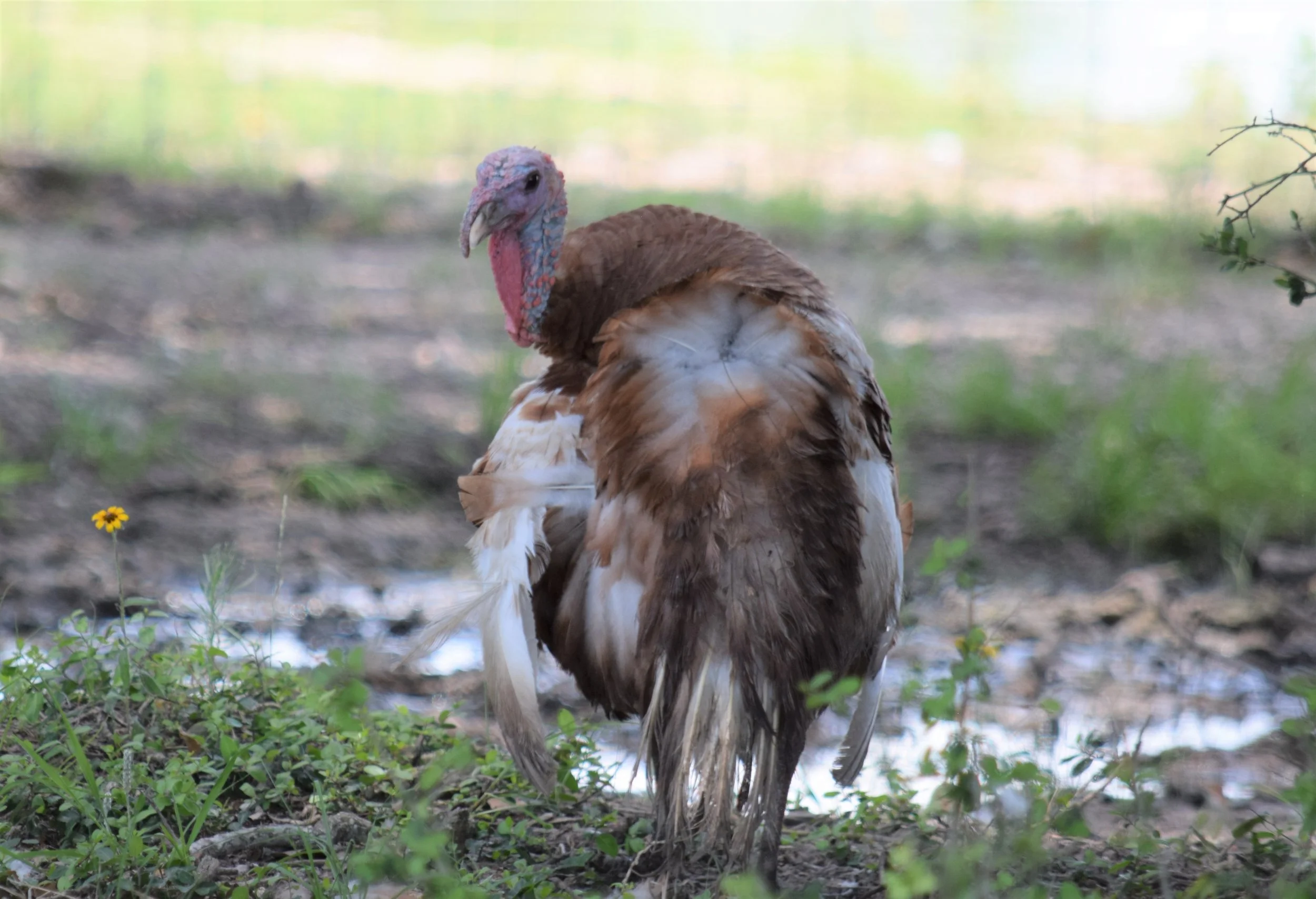
The domestic turkey is one of the largest living bird species, with males reaching up to about 86 pounds.
Male turkeys have dark, iridescent plumage that can shimmer in shades of bronze, green, and copper.
Turkeys can host a variety of parasites, with over 60 species known to live on or in them.
Current estimates suggest that there are around 4 million turkeys in North America.
Biologists have identified at least 15 distinct turkey vocalizations, including the well-known “gobble.”
Zedonk
Scientific Name: Equus zebra
IUCN Status: Unlisted
Native Origin: Domesticated Breed
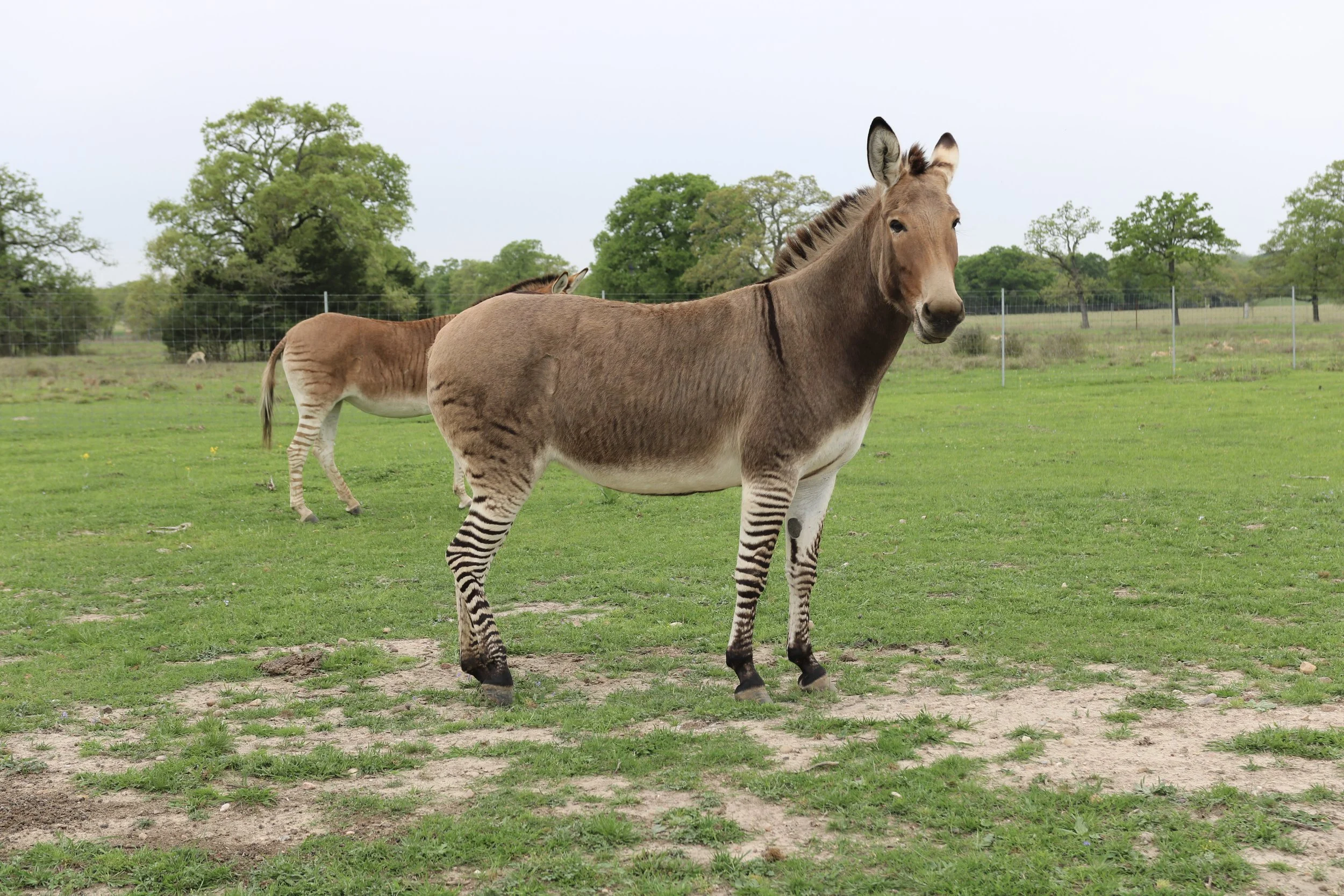
A zedonk is a deliberately bred hybrid between a zebra and a donkey.
Unlike many hybrid animals, zedonks are occasionally capable of reproduction.
Zedonks are herbivores, feeding primarily on grasses and other vegetation.
They can reach speeds of up to 35 miles per hour.
Zedonk hybrids have been successfully bred in captivity since at least the 19th century.